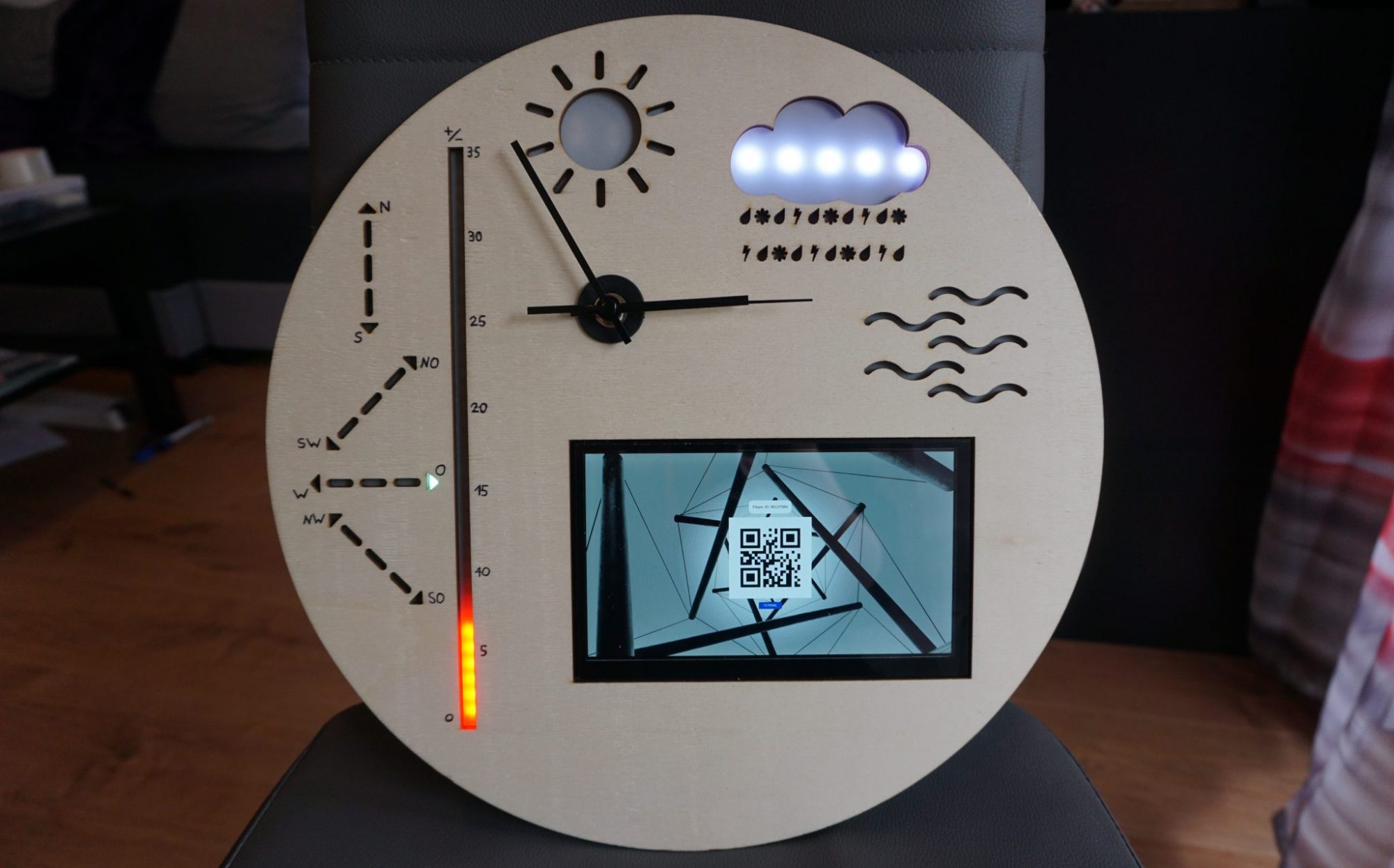
12.12. – 15.12.2019

Hallo Welt,

wir stehen leider vor einer ersten kleinen Krise. Wir haben zwar bereits festgelegt, welche Komponenten wir benutzen wollen. Allerdings fehlt uns leider die Erfahrung, um, die richtige Modelle auszuwählen. Bisher hatten wir den Plan als Mikrocomputer den Esp8266 zu verwenden. Doch leider haben wir keine vergleichbaren Projekte gefunden, die diesen und einen Display mit einer Mindestgröße von 7″ benutzen. Daher war uns nicht klar, welcher Display für unser Projekt geeignet wäre.

Daher werden wir uns noch einmal mit unserem Seminarleiter Anatolij unterhalten. Unsere Idee wäre, vielleicht einen RaspberryPi anstelle des Esp8266 zu verwenden. Denn hierfür gibt es eine Vielzahl von ähnlichen Projekten, die uns bei unserer Entwicklung der smarten Uhr weiterhelfen können.

331 Antworten auf „12.12. – 15.12.2019“

    1. Ein Freund hat mir erzählt, dass er öfter mal online spielt, also wollte ich es auch mal probieren. Ich fand nine casino und war positiv überrascht, wie einfach alles läuft. Die Seite ist gut aufgebaut und bietet alles Mögliche an Spielen. Für neue Spieler gibt’s nette Boni, und die Stammspieler können auch immer wieder Freispiele und Angebote nutzen.

    2. Discover the ultimate solution that will finally bring an end to this prolonged catastrophe by staying resolute in our unwavering dedication to an irrefutable truth. Prepare to be captivated by the screen throughout this thrilling journey. Get ready to have your mind blown with an unforgettable experience that will leave you speechless. Prepare yourself for a moment that will exceed all expectations. moto x3m Uncover the transformative power of self-care and unlock a life of boundless happiness and unparalleled success.

  1. I’ve been looking at several similar projects in the industry, and I must say that the degree of innovation is very astounding. For individuals looking for help in this area, Dissertation Formatting Help Uk. could be a useful resource. Researchers can use their expertise to ensure their work meets the highest presentation standards, allowing the information to shine.

    1. Well I agree, online resources can work like magic and help a lot in your education journey when you are struggling and have no one to get help. Also crafting a dissertation is quite challenging and hiring online nursing dissertation writers UK will ensure that your dissertation must have correct formation, plagiarism-free content, and most importantly you will never be late for submission of your projects.

  2. Während meiner Diplomarbeit fand ich mich in einer Zwickmühle zwischen Jobanforderungen und Studienverpflichtungen. Die Lösung bot ein Online-Service, den ich über eine akademische Ressourcenseite fand. Ihre Expertise im akademischen Schreiben war unverzichtbar für den Abschluss meiner Arbeit. Diesen hilfreichen Dienst fand ich unter: https://wirschreiben.at/diplomarbeit-schreiben-lassen/. Ihre Unterstützung ermöglichte es mir, meinen Abschluss mit Zuversicht zu erreichen.

  3. Your recent work was nothing short of inspiring! The clarity and depth in your insights were simply outstanding.
    When you have a moment, I’d be thrilled if you could visit my webpage.
    We explore similar themes and offer fresh perspectives that I’m sure you’d find valuable.
    Thanks for consistently sharing such exceptional content!
    Ensure your vehicle’s safety and performance with expert tire repair service that keeps you rolling smoothly on the road.

  4. Wenn Sie auf der Suche nach einem unterhaltsamen und farbenfrohen Spielerlebnis sind, ist Sweet Bonanza genau das Richtige für Sie! Diese spannende Slot-Spiel bietet nicht nur lebendige Grafiken und aufregende Bonusrunden, sondern auch die Chance auf große Gewinne. Die farbenfrohen Symbole wie Früchte und Süßigkeiten sorgen für ein einzigartiges Spielerlebnis, das süchtig macht. Mit jeder Runde können Sie verschiedene Bonusfunktionen freischalten und Ihre Gewinnchancen steigern. Besuchen Sie jetzt Sweet Bonanza https://www.sweet-bonanza.ch und entdecken Sie das süße Vergnügen selbst!

  5. Ein Freund hat mir erzählt, dass er öfter mal online spielt, also wollte ich es auch mal probieren. Ich fand nine game und war positiv überrascht, wie einfach alles läuft. Die Seite ist gut aufgebaut und bietet alles Mögliche an Spielen. Für neue Spieler gibt’s nette Boni, und die Stammspieler können auch immer wieder Freispiele und Angebote nutzen.

  6. Your article’s substance appears to have piqued the interest of a number of people, and I must admit that I am really impressed with your post. I look forward to reading more of your fantastic articles. Try playing redactle on my site today!

  7. Zahraničné kasína s bonusmi bez vkladu sú skvelá príležitosť na vyskúšanie hier bez rizika vlastných peňazí. Väčšinou ti len stačí vytvoriť účet, overiť svoje údaje a bonus máš na dosah. Ale pozor – všetky takéto bonusy majú podmienky pretočenia. To znamená, že musíš staviť určitú sumu, aby si mohol bonus vybrať. Ak ti to nevadí a prečítaš si pravidlá, určite sa to oplatí!

  8. Do not just move the ball gently to the left or right; instead, give it quick slope rotations. Movements that are quick and snappy might assist you in avoiding obstacles and maintaining control of your pace.

  9. Thank you so much for sharing this article. The information you provided is really useful and has helped me understand this topic better. I really appreciate the effort and time you spent writing this article. Play game smashy road free.

  10. I am so happy that physical computing and digital fab are possible! I’ve worked in designing Funnel landing pages and got a good feel for what it takes to maintain an engaging user experience. When we speak of physical computing and digital fabrication, it allows us to expand upon that experience in new ways to make interactive, physical products which our users can engage with and touch. Now that I have some idea of the state of these technologies, I’d love to see more examples of how they are being used in real world applications anyone have some inspiring projects or resources to share?

  11. Fantastic blog. Reading your articles was enjoyable. For me, this was a really enjoyable book. I have it bookmarked and am eager to read more things from it. Continue your wonderful effort!

  12. Die smarte Wanduhr begeistert mit innovativem Design und intelligenter Technologie! Von präziser Zeitanzeige bis hin zu smarten Funktionen – ein Must-have für jedes moderne Zuhause. Bleiben Sie auf dem neuesten Stand der Technik.

  13. Hello, I understand the issue you’re facing with your project. Screen size and compatibility are indeed important. Raspberry Pi might be more suitable for 7” displays. Also, you can take inspiration from open-source projects like wordle unlimited during your development. Good luck!

  14. In Deutschland ist das Thema der Rechte der LGBTIQ+-Gemeinschaft schon lange im Mittelpunkt der Aufmerksamkeit, und das Land nimmt in Europa eine führende Rolle im Schutz dieser Rechte ein. 2017 wurde ein Gesetz verabschiedet, das gleichgeschlechtliche Ehen ermöglichte, was einen wichtigen Schritt im Kampf für Gleichberechtigung darstellt. Trotzdem gibt es immer noch Probleme, insbesondere in konservativeren Regionen. Zum Beispiel wurden 2020 in einigen Städten Angriffe auf LGBTIQ+-Aktivisten verzeichnet, was auf eine bestehende Diskriminierung hinweist. Daher ist die Unterstützung solcher Initiativen zum Schutz der LGBTIQ+-Rechte von großer Bedeutung, um die Situation weiter zu verbessern. Die Annahme solcher Gesetze hilft den Menschen, unabhängig von ihrer sexuellen Orientierung, sich sicher und gleichberechtigt vor dem Gesetz zu fühlen. Wenn dir dieses Thema nahegeht, könnte es sinnvoll sein, nach gay kontakte gehen und Gleichgesinnten zu suchen. Es gibt viele spezialisierte Dating-Seiten, auf denen man sich austauschen und gegenseitig unterstützen kann.

  15. Jangan biarkan koneksi internet membatasi keseruanmu! Temukan berbagai game multiplayer Android offline yang bisa dimainkan bareng teman tanpa takut kehabisan kuota. Semua rekomendasi game seru, tips, dan review terlengkap bisa kamu baca di Ngobrol Games. Portal ini selalu update info game terbaru, jadi kamu nggak akan ketinggalan tren game offline paling hits tahun ini!

  16. ngin punya senyum putih alami dan napas segar sepanjang hari? Temukan rahasia di balik pasta gigi close up yang kini jadi andalan banyak orang! Dengan formula inovatif, produk ini mampu menghilangkan noda membandel, melindungi gigi dari plak, dan membuat Anda tampil percaya diri di setiap kesempatan. Jangan lewatkan tips eksklusifnya di sini! (

  17. Ingin gigi putih bersinar dan napas segar sepanjang hari? Temukan rahasia di balik pasta gigi Close Up yang jadi andalan banyak orang! Dapatkan tips, review, dan rekomendasi varian terbaik hanya di Ngobrol Sehat. Jangan lewatkan info eksklusif tentang manfaat luar biasa pasta gigi Close Up untuk senyum percaya diri!

  18. Ein sehr nachvollziehbarer Schritt – der Wechsel zum Raspberry Pi klingt sinnvoll, vor allem wegen der besseren Kompatibilität mit größeren Displays und Retro Bowl der breiteren Projektbasis als Referenz. Bin gespannt, wie es weitergeht mit eurer smarten Uhr!

  19. In speed stars , the thrill of Olympic-level sprinting meets the unpredictability of physics chaos. You’ll laugh, stumble, and maybe even rage-quit as you guide your runner across straightaways and over hurdles.

  20. It sounds like a moment packed with memories, whether it marked an event, a gathering, or a quiet period of reflection. Dates like these often bring back stories we don’t easily forget—where everything somehow felt aligned or especially meaningful. That’s how I felt recently while reading a myassignmenthelp review— https://myassignmenthelp.com/reviews/ that genuinely surprised me. It wasn’t just about deadlines being met; it was about how someone found clarity and confidence through well-written work. Just like how certain days leave a lasting impression, a good experience—academic or otherwise, can stick with you for all the right reasons.

  21. „This is a common challenge! Specifying components is one thing, but matching them to your specific needs is where the rubber meets the road. Have you considered looking at hobbyist forums or maker communities? Sometimes seeing other projects using similar setups can give you a good starting point. It’s like trying to get a high score on the Dinosaur Game – you need to see what works before you can really optimize! Maybe someone has documented a similar ESP8266 and large display project there.“

  22. PayByPlate MA makes commuting in Massachusetts a whole lot easier trust me, I’ve used it on everything from weekend road trips to daily work commutes. I walked you through the login requirements for PayByPlate MA, what it is, why it matters, and how to set it up for hassle-free toll payment.

    PaybyPlateMa

  23. You’ve got a play, a ball, and a chance to score. Forget endless menus and complicated controls—here, success comes down to quick decisions and steady hands. That simplicity makes every touchdown feel earned.

  24. In this post, I’ll show you how to do HHAeXchange login in under 2 minutes. You’ll also get my verified login URL that’s saved 10,000+ users from fake phishing sites. I’ve helped the HHAeXchange community avoid three common mistakes, and I’m excited to share my tips!

  25. With your AESsuccess login, you’re set to tackle student loans like a pro. I remember feeling overwhelmed by my loan balance until I explored AESsuccess’s tools. In this guide, I walked you through Loan Calculators and Tools, Borrower Rights and Responsibilities, and Staying Informed: Student Loan News and Updates.
    aessuccess

  26. Immer mehr Menschen nutzen das Internet, um neue Bekanntschaften zu machen. Mit datemij steht eine benutzerfreundliche Plattform bereit, die komfortables Kennenlernen und eine sichere Kommunikation ermöglicht.

  27. The Runt Placa allows you to check a vehicle’s history in Colombia using only the license plate. It’s useful for verifying fines, technical data, and whether it’s registered with the RUNT. It’s an essential tool before buying a used car and ensures informed decisions.

  28. Klingt nach einer ganz normalen Hürde im Entwicklungsprozess. Der Wechsel zum Raspberry Pi ist auf jeden Fall sinnvoll, wenn ihr ein größeres Display nutzen wollt. Dafür gibt es deutlich mehr kompatible Modelle und bestehende Projekte, an denen ihr euch orientieren könnt. Gute Entscheidung, das noch einmal mit eurem Seminarleiter zu besprechen.

  29. Kein Grund zur Sorge – solche technischen Unsicherheiten gehören dazu. Für Displays ab 7 Zoll bietet der Raspberry Pi wirklich eine viel größere Auswahl und bessere Dokumentation als der ESP8266. Mit den vielen vorhandenen Projekten habt ihr eine solide Basis, um eure Smartwatch weiterzuentwickeln. Klingt nach einem guten Plan!

  30. Mastering your Empower Retirement login is the first step toward taking control of your financial future. Whether you’re an employee managing a 401(k) or 403(b) or an employer overseeing workplace plans, Empower’s secure portal, retirement planning tools, and personalized financial advice make it easy to stay on track EmpowerRetirement

  31. I loved the insights on building a smart wall clock! How do you think this hands-on approach influences students‘ understanding of technology? Also, have you considered incorporating I loved the insights on building a smart wall clock! How do you think this hands-on approach influences students‘ understanding of technology? Also, have you considered incorporating game mechanics like those in Crossy Road to enhance engagement?mechanics like those in Crossy Road to enhance engagement?

  32. Hey there! I loved the idea of integrating smart tech into education, but I’m curious—how do you think students’ creativity is impacted when using pre-designed projects like the smart wall clock? Also, have you considered connecting it to games like crossy road unblocked? It could be a fun way to teach coding!

  33. Trity Environ Solutions is a trusted Zero Liquid Discharge Plant Manufacturer in India specializing in industrial wastewater treatment and recycling solutions. We design and deliver advanced ZLD systems, Effluent Treatment Plants (ETP), and Sewage Treatment Plants (STP) to help industries meet environmental regulations, reduce water consumption, and improve operational efficiency.
    https://trityenviro.com/zero-liquid-discharge/

  34. Sethi Watch is a trusted destination for authentic and stylish timepieces, offering a wide variety of watches to suit every need and preference. From classic designs to modern sports models, quality and reliability are always a priority. Popular options like the
    casio youth d248 watch
    showcase durability, functionality, and a trendy look. At Sethi Watch, the focus is on providing genuine products and a smooth shopping experience, helping customers find the perfect watch that blends style with performance.

  35. Good idea to switch to the Raspberry Pi, as it offers much more flexibility and plenty of existing projects with 7-inch displays, free online games, which should make developing your smartwatch significantly easier.

  36. I would greatly appreciate it if you could furnish me with the latest information. Furthermore, we would be grateful if you could supply the latest publications for our continued examination. Skribbl IO online.

  37. I have recently used MyLoanCare login and found it very useful for managing loan-related information in one place. The platform is simple, fast, and user-friendly, making it easy to track EMIs, loan status, and offers. I appreciate how smoothly the login process works with OTP verification for secure access. Overall, MyLoanCare login is a helpful tool for anyone looking to stay updated on their financial products. I am also using it to explore better loan options and would recommend it to others interested in efficient loan management and financial planning through a reliable online platform.

  38. This post on the smart wall clock is super interesting! I love how you’re combining physical computing and everyday objects. Have you thought about how this tech could be used in educational settings?

  39. The objective of drift boss is to perfect the art of drifting on a perilous track. Upon initiating the game, your vehicle will proceed forward on a confined platform. You are responsible for maintaining the vehicle’s position on the course by performing precise drift turns at the appropriate time.

  40. In December 2019, the team faced an early challenge while developing their project. They planned to use the ESP8266 microcontroller but struggled to find a compatible 7-inch display and similar reference projects. Choosing the right technology is important in every field, including modern wellness innovations like 水素吸入 効果ない.

  41. MyHTSpace is a valuable employee portal that supports efficient workforce management and improved employee communication. By offering features such as schedule management, payroll access, benefits information, and company updates, the platform simplifies many workplace processes. myhtspace

  42. This is a very realistic and important development update. Choosing the right hardware early in a project can significantly affect both feasibility and future progress, especially when display requirements are involved. Problem-solving like this often feels iterative, similar to how wordle unlimited requires refining guesses step by step based on limited information.

  43. I appreciate the honest discussion of technical challenges here, especially the uncertainty around hardware compatibility. Switching from ESP8266 to Raspberry Pi is a practical consideration when needing more support and flexibility. It’s a bit like adapting in slope 2, where quick adjustments are necessary to keep progressing smoothly.

  44. This is a practical and thoughtful approach to a common prototyping issue—balancing ambition with available resources and documentation. Moving toward a more supported ecosystem like Raspberry Pi can save a lot of development time. It’s similar to how speed stars rewards adapting quickly to conditions while maintaining forward momentum.

  45. This update highlights a key stage in hardware development: choosing a platform that balances capability and available community support. That decision often determines how quickly a prototype can progress. For visualizing system architecture or interface concepts, nanomaker can be useful for generating design mockups and technical illustrations.

  46. This is a thoughtful reflection on early technical constraints and shows good engineering judgment by considering alternatives instead of forcing a suboptimal setup. Re-evaluating components at this stage is a smart move. After tackling technical challenges like this, basket bros offers a light, casual break that’s easy to pick up and play.

  47. Girlgames.gg is a great destination for players who enjoy girl games filled with creativity, fashion, and exciting adventures. The platform offers a growing collection of browser games that can be played instantly without downloads or registration. Among the many titles available, several games have become favorites thanks to their engaging gameplay and colorful designs.

  48. Wedding Venues in Delhi is here to help you find and book the perfect place for your special day. We offer a range of wedding services to make your wedding planning easy and stress-free. We can also customize your wedding according to your budget and preferences.

  49. I often look for an easy Instagram Reels download option to save videos that inspire me. Fast downloading, high-quality output, and a simple interface are the features that matter most. It helps users enjoy content later and share ideas with friends whenever needed.

  50. Excellent Instagram Reel Downloader with a clean and simple design. It saves videos in just a few seconds and maintains the original quality. I appreciate how smooth the experience is, making it a great choice for downloading and enjoying reels offline anytime.

  51. Wedding Venues in Chattarpur and MG Road. List of in Chattarpur, Banquet Halls, Hotels for Party destinations in Chattarpur and MG Road Ever thought of enjoying a multi-theme Wedding Function while being at just one destination? If no then you must not have visited Chattarpur & MG Road Farmhouses.

  52. Your article website is full of useful information and inspiring ideas that help readers learn every day. Thank you for your creativity, hard work, and commitment to publishing high-quality articles. I appreciate the positive impact your website has on readers seeking knowledge and personal development online.

  53. I sincerely appreciate your dedication to producing informative and engaging articles on your website. The content is always clear, interesting, and valuable for readers seeking knowledge. Thank you for sharing your expertise and creativity through a platform that supports learning and inspires curiosity every single day.

  54. Das klingt nach einer nervenzerreißenden Phase – ähnlich wie beim Sete a Zero game, wenn der richtige Ansatz noch fehlt. Ich bin sicher, der Wechsel zum Pi bringt die nötige Flexibilität für den 7″-Display.

  55. It’s interesting that you’re encountering a component selection challenge so early on, especially with the display size. The ESP8266 is a fantastic little chip for many IoT projects, but pairing it with a larger display like 7 inches might indeed be pushing its limits, especially if you need smooth graphics or complex UI elements.

    Switching to a Raspberry Pi seems like a very sensible pivot. The vast community and the sheer number of existing projects built around the Pi mean you’ll likely find a wealth of examples and troubleshooting advice for integrating displays. I’ve seen many different approaches to using Raspberry Pis for clock projects, some with surprisingly detailed weather and calendar integrations. You might find the breadth of examples on Plants vs Brainrots Hub helpful for inspiration, even if the specific application is different. Good luck with your discussion with Anatolij!

  56. I sincerely appreciate your dedication to producing informative and engaging articles on your website. The content is always clear, interesting, and valuable for readers seeking knowledge. Thank you for sharing your expertise and creativity through a platform that supports learning and inspires curiosity every single day.

  57. Ich würde auch zum Raspberry Pi tendieren, gerade wegen der besseren Display-Unterstützung. Auf the Sete a Zero site habe ich mal eine Uhren-Eigenbau-Doku gesehen, da war das mit einem 7-Zoll-Screen recht sauber gelöst. Vielleicht hilft euch das als Referenz.

  58. Es ist verständlich, dass ihr nach einem Projekt dieser Größenordnung auf eine unerwartete Hürde stoßt! Die Wahl zwischen einem ESP8266 und einem Raspberry Pi ist tatsächlich ein entscheidender Punkt, besonders wenn es um die Ansteuerung eines 7-Zoll-Displays geht. Ich habe selbst schon mit Mikrocontrollern für kleinere Projekte experimentiert, aber für etwas Komplexeres wie eine smarte Uhr mit einem größeren Display klingt der Raspberry Pi nach einer pragmatischeren Lösung. Die größere Community und die Fülle an verfügbaren Tutorials und bestehenden Projekten für den Pi dürften euch definitiv weiterhelfen. Ich habe über die Vorteile der Verwendung von leistungsfähigeren Boards wie dem Raspberry Pi für komplexere IoT-Anwendungen auf Bold Text Generator geschrieben und die Flexibilität ist oft der Schlüssel. Viel Erfolg beim Gespräch mit eurem Seminarleiter!

  59. Ich finde die Entscheidung, auf den Raspberry Pi zu wechseln, nachvollziehbar — die größere Community hilft enorm bei der Fehlersuche. Falls ihr alternative Display-Optionen braucht, könnte euch seteazero.app weiterhelfen, die haben eine gute Auswahl für 7-Zoll-Bildschirme. Viel Erfolg bei eurem Projekt!

  60. Die Entscheidung, vom ESP8266 zum Raspberry Pi zu wechseln, scheint angesichts der Herausforderung, einen 7-Zoll-Bildschirm zu integrieren, sehr sinnvoll. Es ist oft der Fall, dass die Verfügbarkeit von Community-Projekten und Bibliotheken einen großen Unterschied machen kann, wenn man mit neuen Hardware-Kombinationen experimentiert. Ich habe ähnliche Erfahrungen gemacht, als ich versuchte, verschiedene Displays mit kleineren Mikrocontrollern zu verbinden; die schiere Menge an verfügbaren Tutorials und Codebeispielen für den Raspberry Pi ist wirklich überwältigend. Manchmal muss man einfach auf eine Plattform zurückgreifen, die eine breitere Unterstützung hat, um nicht im Detail stecken zu bleiben. Ich bin gespannt, wie sich das auf die weitere Entwicklung der smarten Uhr auswirkt.

  61. Das ist ein interessanter Punkt mit der Komponentenauswahl, besonders beim Display. Es stimmt, dass der ESP8266 für kleinere Projekte oft die erste Wahl ist, aber für eine 7-Zoll-Anzeige könnte es tatsächlich eng werden. Ich habe mal an einem Projekt gearbeitet, bei dem wir auch eine größere Anzeige brauchten, und wir sind dann auf einen Raspberry Pi umgestiegen. Die Community und die verfügbaren Bibliotheken sind dort einfach riesig, was die Entwicklung enorm beschleunigt. Ich bin gespannt, ob der Raspberry Pi für eure smarte Uhr auch die bessere Lösung ist. Vielleicht findet ihr ja auch eine interessante Alternative, wenn ihr euch den MorseTranslator anschaut, auch wenn das ein ganz anderes Thema ist, die Herangehensweise an technische Probleme ist oft ähnlich. Viel Erfolg bei der Entscheidung!

  62. Ah, the classic „pivot needed“ moment! It’s totally understandable to hit a wall with component compatibility, especially when you’re aiming for a 7″ display. I’ve been there with some of my own projects – trying to force a component into a role it wasn’t quite designed for can lead to a lot of wasted time.

    Switching to a Raspberry Pi makes a lot of sense for finding existing projects and support, especially for something visual like a smart clock. It sounds like a solid plan to consult your seminar leader.

    This reminds me a little of the challenges we face at Before You Ink, where folks are planning a big, permanent decision (a tattoo!) and need to figure out the best „components“ for their design to avoid future regret. It’s all about making informed choices upfront!

  63. The dilemma you’re facing with component selection, especially balancing the ESP8266 with a larger display, is a common hurdle in DIY tech projects. It’s smart to pivot towards the Raspberry Pi if the community support and available examples for larger screens are more robust. I’ve found that when I’m stuck on a similar problem, like trying to find the right strategy for a difficult Wordleos puzzle, looking at how others have solved it is incredibly helpful. Do you think the Raspberry Pi will offer enough processing power for the clock’s features, or is that still an open question?

  64. I think your publications are informative and I am glad to have a look at these websites. Because it adds meaning to my thoughts. Continue to inspire your audience.

  65. That’s a classic „scope creep“ crisis! It’s totally understandable to hit a wall when the components you initially thought would work just don’t quite scale for the display size you need. I’ve seen similar situations in projects where a smaller microcontroller was chosen, only to realize the processing power or I/O pins just weren’t there for a larger interface.

    Switching to a Raspberry Pi makes a lot of sense given the wealth of community projects and readily available resources for larger displays. It’s usually a smoother path when you can find existing frameworks or tutorials to adapt.

    It reminds me a bit of how I approach building new games on OrbitDash CC. Sometimes you start with a simple idea, but then you realize you need more complex logic or a bigger canvas to really make it shine, and you have to pivot. It’s all about finding the right tools for the job, right?

    Good luck with the chat with Anatolij! I’m curious to see which direction you go.

  66. I found your dilemma about choosing between the ESP8266 and Raspberry Pi for your smart clock project really relatable. It’s often the case that while a component might seem capable on paper, finding concrete examples of it being used in a similar setup, especially with a larger display like your 7-inch requirement, can be tricky. The ESP8266 is great for simpler IoT tasks, but for something requiring more processing power and easier integration with displays, a Raspberry Pi often opens up more community support and readily available project examples. It sounds like a wise move to consult with your seminar leader; sometimes a slight pivot in hardware can save a lot of headaches down the line. I’ve seen similar decision-making processes when trying to build more complex interactive projects myself, and it always comes down to balancing ambition with practicality and available resources.

  67. It’s interesting that you’re running into this component selection challenge, especially with the display size. The Esp8266 is definitely a popular choice for smaller projects, but I can see how it might be limiting when you’re aiming for a 7″ display. I wrote about a similar approach for a different kind of project on Crossy Road Online and found that sometimes stepping up to a more robust platform like the Raspberry Pi, even if it seems like overkill initially, can save a lot of headaches down the line due to the wider community support and readily available examples. It makes perfect sense to consult with your seminar leader about this. Good luck with the decision!

  68. Es ist verständlich, dass die Auswahl des richtigen Mikrocomputers und Displays eine Herausforderung darstellt, besonders wenn man keine direkten Vergleichsprojekte findet. Der Gedanke, auf einen Raspberry Pi umzusteigen, klingt nach einem sehr vernünftigen Schritt. Die größere Community und die Fülle an verfügbaren Projekten für den Pi sollten die Entwicklung erheblich erleichtern, insbesondere wenn es um die Ansteuerung eines größeren Displays geht. Ich habe ähnliche Erfahrungen bei der Entwicklung von visuellen Tools gemacht; die Verfügbarkeit von Beispielcode und Forenbeiträgen kann den Unterschied zwischen einem frustrierenden Projekt und einem Erfolg ausmachen. Manchmal ist es besser, auf eine etabliertere Plattform zu setzen, auch wenn sie anfangs vielleicht nicht die erste Wahl war.

  69. This was a very useful read for students and parents alike. While researching funding options, I found HDFC Student Loan to be one of the most discussed choices because of its simple application process and student-friendly features. Thanks for sharing such well-organized information.

  70. Die Überlegung, vom ESP8266 auf einen Raspberry Pi umzusteigen, ist nachvollziehbar, besonders wenn man die Verfügbarkeit von Vergleichsprojekten für die Displayanbindung berücksichtigt. Es ist oft der Fall, dass eine etwas leistungsfähigere Plattform mit einer größeren Community und mehr verfügbaren Beispielen die Entwicklung erheblich beschleunigen kann. Ich habe selbst bei der Integration von Displays in komplexere Projekte, ähnlich wie bei der Arbeit auf AI Interior Lab, festgestellt, dass die Dokumentation und die Community-Unterstützung für Raspberry Pi Projekte oft umfangreicher sind. Es wird spannend zu sehen sein, ob der Raspberry Pi die gewünschte Flexibilität für die Smartwatch bietet, insbesondere im Hinblick auf die Energieeffizienz, die bei solchen Projekten ja auch ein wichtiger Faktor sein kann.

  71. Das ist ein interessanter Punkt mit der Wahl des Mikrocomputers. Ich kann verstehen, warum ihr euch da unsicher seid, gerade wenn es um die Kombination mit einem größeren Display geht. Der ESP8266 ist zwar für viele IoT-Projekte super, aber für ein 7-Zoll-Display und die dazugehörige Komplexität könnte ein Raspberry Pi tatsächlich die bessere Wahl sein. Die größere Community und die Fülle an Beispielen für Projekte mit dem Pi sind da definitiv ein großer Vorteil. Ich erinnere mich, dass ich bei einem eigenen Projekt, bei dem es darum ging, Bilder für verschiedene Social-Media-Formate anzupassen, auch auf die Ressourcen des Raspberry Pi zurückgegriffen habe, um die nötige Rechenleistung zu bekommen. Es ist gut, dass ihr da noch einmal mit eurem Seminarleiter sprecht. Viel Erfolg bei der Entscheidung!

  72. Die Überlegung, vom ESP8266 auf einen Raspberry Pi umzusteigen, macht angesichts der Displayanforderungen Sinn. Es ist frustrierend, wenn man keine vergleichbaren Projekte findet, die die gewünschte Komponentenkonfiguration nutzen. Ich habe ähnliche Herausforderungen bei der Auswahl der passenden Hardware für meine eigenen Projekte erlebt, besonders wenn es um die Integration verschiedener Schnittstellen ging. Die Suche nach einer Plattform mit einer breiteren Community-Unterstützung und mehr Beispielprojekten, wie sie der Raspberry Pi bietet, ist oft der Schlüssel, um solche Hürden zu überwinden. Ich habe selbst schon die Erfahrung gemacht, dass eine gut dokumentierte Plattform, wie zum Beispiel bei der Arbeit mit InkBolt für Designprozesse, den Entwicklungsprozess erheblich beschleunigen kann. Viel Erfolg bei der weiteren Besprechung mit eurem Seminarleiter!

  73. Die Überlegung, vom ESP8266 zum Raspberry Pi zu wechseln, weil es mehr vergleichbare Projekte gibt, macht absolut Sinn. Gerade bei komplexeren Setups mit einem größeren Display wie 7 Zoll kann die Community-Unterstützung für den Raspberry Pi Gold wert sein. Ich habe ein ähnliches Problem bei der Skalierung von Bildern erlebt, wo der ESP8266 an seine Grenzen gestoßen ist, und dann auf einen leistungsfähigeren Einplatinencomputer umgestiegen bin. Es ist immer gut, auf existierende Ressourcen zurückgreifen zu können, um die Entwicklungszeit zu verkürzen. Viel Erfolg bei der weiteren Planung und der Besprechung mit eurem Seminarleiter!

  74. I found your dilemma about choosing between the ESP8266 and Raspberry Pi very relatable. It’s true that the ESP8266 is fantastic for many IoT projects, but when you need a larger display and more processing power for something like a smart clock, the Raspberry Pi often becomes the more practical choice. The abundance of existing projects and community support for the Pi is a huge advantage. I’ve encountered similar situations when developing tools to automatically adjust image aspect ratios; sometimes starting with a more robust platform is key, even if it seems like overkill initially. I wrote about a similar approach on AI Image Extender and found that having a wider range of compatible components and readily available examples made the development process much smoother. Good luck with your discussion with Anatolij!

  75. Ich verstehe eure Unsicherheit bezüglich der Komponentenwahl vollkommen. Es ist frustrierend, wenn man die Teile hat, aber nicht sicher ist, ob sie die richtige Wahl für die Größe des Displays sind. Der Sprung vom ESP8266 zum Raspberry Pi ist da eine logische Überlegung, gerade weil es mehr Beispielprojekte gibt. Ich habe selbst bei der Entwicklung von Tools für kreative Inhalte, wie zum Beispiel einem AI Rap Creator, festgestellt, wie wichtig es ist, auf bewährte Plattformen zurückzugreifen, wenn man schnell Fortschritte machen möchte. Die Community um den Raspberry Pi ist riesig und die Dokumentation ist oft sehr detailliert. Viel Erfolg bei eurem Gespräch mit Anatolij!

  76. A useful read for anyone interested in physical computing and classroom prototyping: this post captures the real development process behind a smart wall clock, including hardware decisions, software planning, and the kind of setbacks that often shape a project. The switch from ESP8266 to Raspberry Pi is especially practical and well reasoned, since it opens the door to more comparable examples and easier implementation. For anyone building interactive devices or teaching digital fabrication, the full project notes are worth a look at the project development diary.

  77. Ich verstehe eure Herausforderung mit der Auswahl der richtigen Komponenten, besonders wenn es um die Kombination eines Mikrocontrollers wie dem ESP8266 mit einem größeren Display geht. Es ist frustrierend, wenn man keine direkten Vergleichsprojekte findet. Die Idee, auf einen Raspberry Pi umzusteigen, scheint mir daher sehr sinnvoll. Die größere Community und die Fülle an verfügbaren Projekten für den Raspberry Pi könnten euch wirklich viel Zeit und Mühe ersparen, ähnlich wie ich es bei der Planung von Tätowierungen erlebe – ich möchte das Endergebnis sehen können, bevor ich mich festlege. Auf RedoInk versuchen wir Ähnliches, indem wir Designs visualisieren, um sicherzustellen, dass die Kunden mit ihrer Entscheidung glücklich sind. Ich bin gespannt, wie sich eure smarte Wanduhr weiterentwickelt!

  78. It’s interesting that you’re running into component selection challenges so early on. I can definitely relate to the feeling of not finding enough comparable projects when trying to integrate specific hardware like a larger display with a microcontroller. The ESP8266 is a fantastic chip for many IoT projects, but pushing it with a 7″ screen might indeed be pushing its limits without significant optimization, or it might just not have the readily available community support for that specific combination.

    Switching to a Raspberry Pi seems like a very practical pivot. The sheer volume of projects and the wider range of readily available libraries and tutorials for the Pi, especially with larger displays, will likely smooth out your development path considerably. It’s a classic trade-off between a more power-efficient, simpler device and a more powerful, versatile, but potentially more complex one. I wrote about a similar decision-making process for a client project on RedoInk, where we had to weigh processing power against battery life. Good luck with your discussion with Anatolij!

  79. It sounds like you’ve hit a common roadblock when tackling DIY tech projects – choosing the right components, especially when there isn’t a direct template to follow. It’s smart to reconsider the ESP8266 if you’re struggling to find examples with a 7″ display. The Raspberry Pi’s larger community support and more extensive project examples could indeed make a significant difference. I’ve found similar issues when planning complex outdoor spaces; sometimes, you have to shift to a platform that offers more readily available inspiration. I wrote about a similar approach on AI Yard Planner and found that looking at existing designs, even if not identical, can spark ideas for your own unique solution. Good luck with your discussion with Anatolij!

  80. It’s interesting that you’re hitting a roadblock with component selection, specifically the ESP8266 versus a Raspberry Pi for your smart clock project. The challenge of finding comparable projects for a 7″ display with an ESP8266 is definitely understandable; it’s a less common combination than you might find with a Raspberry Pi. I’ve encountered similar situations when trying to integrate specific hardware for visual outputs. For instance, when I was developing a tool for visualizing landscape designs, we ended up using a more powerful micro-controller than initially planned because the display requirements demanded it. Exploring the Raspberry Pi makes a lot of sense, given its broader community support and wealth of existing projects that could offer guidance. I’m curious to see which path you ultimately choose and how you tackle the display integration!

  81. Ich kann verstehen, dass die Entscheidung zwischen ESP8266 und Raspberry Pi schwierig ist – bei solchen Hardware-Fragen hilft mir manchmal eine Übersicht wie die best players tier list, um verschiedene Optionen besser vergleichen zu können. Drücke die Daumen, dass ihr die richtige Wahl trefft!

  82. The decision to reconsider the ESP8266 for the smart clock project, especially given the display size requirement, seems like a very practical pivot. It’s understandable to run into these kinds of component selection hurdles early on. I’ve seen similar challenges when trying to balance processing power with specific display needs for projects, and sometimes a more robust platform like the Raspberry Pi really opens up possibilities. The availability of more comparable projects for the Pi, as you mentioned, would definitely streamline the development process and provide valuable insights. I wrote about a similar approach for selecting core components in my own tech explorations on NTE Codes Hub and found that leaning on community examples can save a lot of guesswork. Good luck with your discussion with Anatolij!

  83. Es ist verständlich, dass die Wahl des richtigen Mikrocomputers und Displays eine Herausforderung darstellen kann, besonders wenn man eine bestimmte Mindestgröße wie 7 Zoll anstrebt. Die Idee, vom ESP8266 zum Raspberry Pi zu wechseln, erscheint mir sehr sinnvoll. Die größere Community und die Fülle an bereits existierenden Projekten, die den Raspberry Pi mit größeren Displays nutzen, bieten eine solide Wissensbasis. Ich habe ähnliche Erfahrungen bei der Planung eines komplexen Builds auf Borderlands 4 toolkit gemacht; manchmal ist es besser, auf etabliertere Plattformen zurückzugreifen, wenn die Dokumentation und Anleitungen spärlicher sind. Viel Erfolg bei der Besprechung mit Anatolij!

  84. It’s interesting that you’re running into a component selection crisis already! The ESP8266 is certainly a popular choice for many IoT projects, but I can see why finding a 7″ display integration might be tricky. You’re smart to consider the Raspberry Pi as an alternative. The larger ecosystem and community support for the Pi mean you’ll find a ton of examples and libraries that can accelerate your smart clock development. I actually wrote about a similar approach for a different kind of project on lily lovebraids and found that the abundance of tutorials made all the difference. Good luck with your chat with Anatolij – I think the Pi is a solid direction to explore!

  85. It’s interesting that you’re running into component selection challenges so early on. The ESP8266 is a fantastic chip for many IoT projects, but I can see how pairing it with a larger display like 7″ might be tricky without existing examples. I ran into a similar dilemma when trying to integrate a larger screen into a custom project; I eventually settled on a Raspberry Pi because of the wealth of community support and readily available libraries for displays. It sounds like a smart move to consult with your seminar leader. If you do end up going the Raspberry Pi route, there are some great resources out there for display integration. I wrote about a similar approach on lily lovebraids and found that looking at projects focused on digital signage or information displays often provided the most relevant guidance for larger screens. Good luck with the decision!

  86. It’s interesting that you’re running into a component selection crisis so early on. The Esp8266 is a great little chip, but I can see how pairing it with a larger display like 7″ might be tricky without seeing many comparative projects. The idea of switching to a Raspberry Pi for your smart clock project makes a lot of sense, especially if you’re looking for more readily available examples and support documentation for larger displays. I’ve found that when diving into new hardware combinations, especially for custom builds, having a community or existing projects to draw from can save a ton of development time. It reminds me of how crucial clear documentation and community guides are for complex game mechanics, like those found on KCD2Quest. Good luck with your discussion with Anatolij!

  87. Thank you for building an inspiring article website filled with useful and educational content. The articles are always interesting and professionally written. I appreciate your passion for sharing knowledge and your commitment to helping readers learn, grow, and discover new ideas through meaningful online reading experiences daily.

  88. The quandary you’ve hit with component selection, specifically the ESP8266 versus a Raspberry Pi for your smart clock project, is a common one in DIY electronics. It’s smart to pivot if the existing community support for your initial choice isn’t robust enough. I’ve seen similar challenges when trying to integrate larger displays with microcontrollers, and it often does lead back to more powerful boards like the Raspberry Pi due to their broader software ecosystem and readily available libraries. I found a similar perspective on Horizon 6 Guide that complements this well, discussing resource management in complex projects. Good luck with your discussion with Anatolij; it sounds like the right move to ensure a smoother development path forward.

  89. That pivot from ESP8266 to Raspberry Pi makes a lot of sense, especially when you’re hitting a wall with finding comparable projects for a 7″ display. It’s always a bit of a gamble when you’re choosing components without much hands-on experience. Sometimes you just need a more established platform with a bigger community to draw from.

    It actually reminds me a bit of how we approach picking tools or even just deciding on a project direction. Sometimes you think you know exactly what you need, but then you realize a slightly different approach, or a more robust foundation, can save you a ton of headaches down the line. It’s like trying to figure out your own best way of working – I was just reading about how understanding your personality type, even in a fun, satirical way like the sbti personality test, can help you lean into your strengths and avoid common pitfalls when tackling new tasks. Has talking to Anatolij given you a clearer path forward?

  90. Interesting dilemma with the ESP8266 – I can totally see how that lack of comparable projects for a 7″ display would be a roadblock. It makes complete sense to pivot to the Raspberry Pi; the sheer volume of existing projects and community support for it is a huge advantage when you’re trying to build something complex. It’s like choosing a character in a game – sometimes you need to pick the one with the most established meta and guides to get going efficiently! Speaking of building things and figuring out the best way to approach them, I’ve been deep-diving into character builds and team comps for Neverness to Everness over at NTE Codes Hub. It’s a similar process of research and iteration to ensure you’ve got the optimal setup. What other challenges are you anticipating as you move forward with the Raspberry Pi integration?

  91. That’s a classic pivot point, isn’t it? Realizing your initial component choice might not have the ecosystem support you need. I remember wrestling with similar decisions on a project where we needed a specific display size. We ended up going with a Raspberry Pi for its sheer flexibility and the wealth of tutorials out there, which sounds like what you’re leaning towards now. It makes a huge difference when you can find existing projects to learn from rather than starting completely from scratch.

    It’s also interesting how even in hardware projects, we often encounter similar challenges to software or even web-based ones. I was just working on setting up a new email signature for my work, and finding the right tool that rendered well across different clients felt like a mini-project in itself. If you ever need a hand with that kind of thing, I’ve found https://emailsigmaker.com to be incredibly straightforward.

    Hope you and Anatolij find the perfect balance of power and usability for your smart clock!

  92. Totally get the dilemma of choosing the right hardware! It’s a classic project bottleneck. Going from an ESP8266 to a Raspberry Pi for a smart clock with a 7″ display makes a lot of sense. The sheer volume of community projects and readily available libraries for the Pi will probably save you a ton of headaches down the line, especially when integrating a larger display. It’s like trying to edit a photo with basic tools versus having a full suite of editing software – the latter just opens up so many more possibilities. Speaking of which, when I’m wrestling with visual aspects of a project, I’ve found tools that let me see changes clearly and focus on specific areas super helpful. It’s a different field, but that iterative refinement process feels similar, you know? Anyway, good luck with the switch – sounds like a smart move!

  93. That moment when you realize your initial component choice might not be the best fit can be a real nail-biter! I totally get the hesitation with the ESP8266 for a project needing a 7″ display and comparable examples. It makes perfect sense to pivot to the Raspberry Pi, especially since there’s a richer ecosystem of similar projects to draw from. It’s like trying to build a complex smart home system – sometimes you need a more robust foundation than you initially thought.

    It reminds me of how crucial it is to have the right „brain“ for a project, whether it’s a smart clock or energy storage. If you’re ever looking into the power management side of smart devices or larger energy systems, I’ve found Spire ESS has some great resources on integrating various components for efficiency. Good luck with the continued development of your smart clock!

  94. It’s interesting that you’re encountering component selection challenges so early on, especially with the ESP8266 and display size. I can see how the lack of comparable projects would make choosing the right 7″ display tricky. Switching to a Raspberry Pi for the microcontroller does seem like a logical step given its wider project community and resources. I’ve found that when I’m trying to figure out complex combinations, like specific enchantments in Minecraft, having a tool to explore options is invaluable; I found a similar perspective on Minecraft enchantment Calculator that complements this well. It will be great to see how the Raspberry Pi opens up new possibilities for your smart clock.

  95. Die Entscheidung, vom ESP8266 zum Raspberry Pi zu wechseln, scheint mir angesichts der Herausforderung, einen 7-Zoll-Bildschirm zu integrieren, sehr vernünftig. Es ist frustrierend, wenn man feststellt, dass die ursprünglich geplante Komponente vielleicht doch nicht die beste Lösung ist, aber es ist auch ein wichtiger Teil des Lernprozesses. Die größere Community und die Fülle an bestehenden Projekten für den Raspberry Pi werden euch bestimmt helfen, ähnliche Herausforderungen zu meistern. Ich habe ähnliche Erfahrungen gemacht, als ich versuchte, mein eigenes kleines Projekt zu bauen. Manchmal muss man einfach flexibel sein und eine andere Richtung einschlagen. Für solche Planungsfragen im technischen Bereich gibt es ja auch nützliche Tools, wie zum Beispiel den Minecraft enchantment Calculator, der zwar nicht direkt für Uhren ist, aber das Prinzip der Ressourcenplanung und Kompatibilität gut veranschaulicht. Viel Erfolg bei der weiteren Entwicklung!

  96. Ah, the classic „component paralysis“! Totally get where you’re coming from with the ESP8266. It’s fantastic for smaller, focused tasks, but trying to wrangle a 7-inch display and all the associated complexity might be stretching its capabilities a bit thin.

    Switching to a Raspberry Pi is a smart move, especially since you’ve found a lack of comparable ESP8266 projects with larger displays. The Pi’s wider community support and versatility for more involved projects like this make a lot of sense. It’s like trying to build a sandcastle with a spoon versus a shovel – both work, but one is way more efficient for a bigger build!

    This reminds me a bit of how we approach some of the more intricate puzzles and tasks in Cursor Camp. Sometimes you have to step back, assess the tools you have, and realize a more powerful or different approach is needed to actually *accomplish* the goal. Looking forward to seeing how the Raspberry Pi works out for your smart clock!

  97. That moment when you’ve picked out the ingredients but aren’t sure if they’ll bake well together – I totally get that feeling! It sounds like you’re hitting that common roadblock where the initial concept meets the reality of component compatibility. Switching from the ESP8266 to the Raspberry Pi for your smart clock sounds like a smart pivot, especially for finding existing projects and display compatibility. That whole process of iterating and problem-solving reminds me a bit of how we approach virtual staging. We start with an empty room photo, decide on the „style“ (like your components), and then have to make sure the digital furniture looks realistic and fits the space perfectly. It’s all about finding the right tools and understanding how they play together to achieve the desired outcome. Good luck with your chat with Anatolij – hope you land on the perfect Pi setup!

  98. Spannender Beitrag – gerade bei solchen Hardware-Entscheidungen merkt man, wie wichtig gute Visualisierung und kleine Praxis-Checks sind. Wenn ihr zwischendurch eine kreative Pause braucht oder einfach Lust auf einen neuen Look habt, ist try hairstyles eine echt nützliche Idee. Die Vorschauen wirken schnell und realistisch, besonders wenn man verschiedene Haarschnitte oder Haarfarben ohne Risiko vergleichen möchte. Gerade für alle, die gern mit ihrem Stil experimentieren, kann das richtig hilfreich sein.

  99. It sounds like you’re hitting that classic crossroads where the initial excitement of a project meets the reality of component selection! It’s totally understandable to pivot from the ESP8266 to a Raspberry Pi when you need more readily available examples, especially for a larger display. I’ve found that with some of the more complex builds I track for the Sableye’s Gem Hunt event, there’s often a point where you have to decide between a more specialized, potentially limited chip and a broader platform with tons of community support.

    The Raspberry Pi definitely opens up a lot more avenues for finding existing projects and libraries. Have you considered looking at specific display driver boards that might be compatible with either the ESP8266 or the Pi? Sometimes, the display itself can be the trickiest part. It reminds me a bit of trying to find the perfect habitat builder for certain Pokémon on Dream Island – you start with one idea and end up exploring a whole ecosystem of options!

  100. It’s interesting that you’re encountering a roadblock with component selection, especially regarding the display size. The ESP8266 is a fantastic little chip for many IoT projects, but I can see how pairing it with a larger display like 7″ might be challenging to find readily available examples for. Your idea to switch to a Raspberry Pi makes a lot of sense, given the vast community support and numerous projects out there that use it with various displays. It’s often the case that for projects requiring more graphical power or a robust operating system, a Raspberry Pi is a more straightforward path. I’ve seen some impressive projects that leverage the Pi’s capabilities, and I found a similar perspective on VirtualStagingAI that complements this well, showing how adaptable these platforms can be. Good luck with your discussion with Anatolij!

  101. Es ist verständlich, dass die Wahl zwischen ESP8266 und Raspberry Pi eine Herausforderung sein kann, besonders wenn man eine bestimmte Displaygröße im Sinn hat. Ich habe ähnliche Überlegungen bei der Suche nach den richtigen Komponenten für digitale Produktpräsentationen angestellt, wo eine klare Anzeige entscheidend ist. Die Idee, den Raspberry Pi in Betracht zu ziehen, weil es mehr vergleichbare Projekte gibt, ist sehr vernünftig. Es gibt eine Fülle von Ressourcen und Community-Unterstützung für den Pi, was die Entwicklung beschleunigen kann. Ich bin gespannt zu hören, was euer Seminarleiter dazu sagt und welche Richtung ihr einschlagen werdet. Die Flexibilität, die ein Raspberry Pi bieten könnte, ist sicher reizvoll für ein Projekt wie eure smarte Wanduhr.

  102. Oh, hitting a component snag with the ESP8266? I can totally see why that’s a hurdle, especially when you’re aiming for a 7″ display and can’t find a direct comparison. It’s that classic „chicken and egg“ problem, isn’t it? You need the display to pick the right micro, but you need the micro to know what kind of display to look for. Swapping to a Raspberry Pi for more project examples makes a lot of sense – sometimes you just need that broader ecosystem to get unstuck. It reminds me a bit of when I’m trying to nail down a brand hook for a new client. If the initial ideas aren’t quite hitting the mark, I’ll often look at similar successful campaigns to get a feel for what resonates, rather than trying to reinvent the wheel from scratch. Speaking of getting unstuck and finding the right „sound“ for a project, if you ever need a quick audio brand hook or intro, I’ve found my own little tool at aijinglemaker.cc to be surprisingly helpful for generating quick variations. Good luck with Anatolij – hopefully, that conversation sparks the perfect solution for your smart clock!

  103. Ah, the classic „pivot because the original plan hit a snag“ moment! It’s totally relatable. I’ve definitely been there with projects where the initial component choice seemed solid on paper, but then finding actual, real-world examples to guide you just wasn’t happening. The Esp8266 is great for so many things, but I can see how pairing it with a 7″ display might be a bit of a niche search.

    Switching to the Raspberry Pi for the smart clock makes a lot of sense. The sheer volume of community projects and support for the Pi means you’re much more likely to find someone who’s already tackled a similar display integration. It’s like when I’m trying to figure out a tricky Mahjong tile layout – sometimes you just need to see how others have solved it on a similar board to get your own gears turning. Speaking of needing a bit of a mental reset when stuck on a problem, I recently found myself playing some Mahjong Solitaire Online when I needed a break from a complex puzzle. It’s surprisingly good for clearing the head and getting back to problem-solving with fresh eyes. Good luck with the Raspberry Pi!

  104. That moment when you’ve mapped out the big picture but hit a snag on the nitty-gritty details is so relatable! It sounds like you’re smartly pivoting from the ESP8266 to the Raspberry Pi for your smart clock project. I totally get wanting to leverage existing projects for guidance, especially when you’re dealing with a larger display like 7 inches. It makes sense to find something that’s already proven.

    It actually reminds me a bit of planning out a construction project. You know you need drywall, but then you get into the specifics of sheet size, screw types, and how much mud you’ll actually use. For those kinds of tricky estimations, I often find myself using a tool like the one over at calculatedrywall.com. It helps break down the material needs for walls and ceilings, which feels like a similar problem to figuring out the right components for a project like yours.

    Are you considering any specific display technologies given the size requirement?

  105. Es ist verständlich, dass die Wahl des richtigen Mikrocomputers eine Herausforderung darstellt, besonders wenn man eine bestimmte Displaygröße im Auge hat. Der Gedanke, vom ESP8266 zum Raspberry Pi zu wechseln, ergibt Sinn, da die Community und die verfügbaren Projekte für den Pi tatsächlich umfangreicher sind. Das erleichtert die Fehlersuche und die Inspiration. Ich habe mir ähnliche Herausforderungen bei der strukturierten Datenaufbereitung angesehen, und es gibt oft überraschende Parallelen in der Komplexität. Hierbei hilft es oft, sich auf etablierte Ökosysteme zu verlassen, was für den Raspberry Pi definitiv zutrifft. Ich bin gespannt zu hören, wie das Gespräch mit eurem Seminarleiter verläuft und welche Richtung ihr einschlagen werdet.

  106. The decision to potentially switch from the ESP8266 to a Raspberry Pi for the smart clock project makes a lot of sense, especially given the display size requirement. It’s a common hurdle in DIY electronics – finding components that work together seamlessly, particularly when you’re aiming for something a bit more ambitious like a 7-inch display. I’ve seen similar situations in online communities where people are trying to optimize their setups, and sometimes a more powerful or versatile platform like the Raspberry Pi, despite potentially higher cost, opens up far more possibilities and readily available examples. It’s good you’re consulting with your seminar leader; that kind of guidance can be invaluable. I’ve found a similar perspective on Blox Fruits Calculator that complements this well when it comes to evaluating different options and their implications. Good luck with the Pi!

  107. It’s interesting that you’re hitting a snag with component selection, especially given the initial plan to use the ESP8266. I’ve seen similar challenges arise when trying to pair certain microcontrollers with larger displays. The jump from a 7″ display to something manageable with an ESP8266 can be tricky, and it’s wise to re-evaluate. The idea of switching to a Raspberry Pi makes a lot of sense, given the abundance of community projects and readily available documentation for larger displays. I found a similar perspective on Wizard Alchemy Hub that complements this well, highlighting how leveraging existing ecosystems can significantly speed up development. Good luck with the discussion with your seminar leader!

  108. The decision to switch from the ESP8266 to a Raspberry Pi for your smart clock project makes a lot of sense, especially given the display size requirement of at least 7 inches. It’s definitely challenging to find concrete examples of ESP8266 setups with larger displays, and the Raspberry Pi’s broader community support for projects with displays is a significant advantage. I found a similar perspective on Wizard Alchemy Hub that complements this well, highlighting how a more powerful processor can simplify many integration challenges. Good luck with your discussion with Anatolij; I’m curious to hear how it goes!

  109. Die Entscheidung, vom ESP8266 zum Raspberry Pi zu wechseln, macht absolut Sinn, wenn ihr keine vergleichbaren Projekte mit dem ESP8266 und einem 7-Zoll-Display finden konntet. Die größere Community und die Fülle an Beispielprojekten für den Raspberry Pi sollten euch da wirklich weiterhelfen. Ich bin gespannt, ob die Gespräche mit eurem Seminarleiter Anatolij zu einer klaren Richtung führen. Es ist manchmal frustrierend, wenn man die technischen Komponenten schon hat, aber die genaue Implementierung noch unklar ist. Ich habe ähnliche Herausforderungen bei Projekten erlebt, bei denen die Softwareseite erstmal eine echte Hürde darstellte, aber eine gute Ressource wie die Auswahl an Emoticons auf ShrugMoji kann manchmal auch bei technischen Problemen für eine kleine Aufmunterung sorgen, auch wenn das hier natürlich ein ganz anderes Thema ist. Viel Erfolg bei der weiteren Planung!

  110. Die Überlegung, vom ESP8266 auf einen Raspberry Pi umzusteigen, leuchtet mir ein, besonders angesichts der Displaygröße von 7 Zoll, die Sie anstreben. Ich erinnere mich, dass wir bei einigen strategischen Planungen für FrontWars.io an ähnliche Herausforderungen gestoßen sind, wo die Verfügbarkeit von Community-Projekten und Libraries einen großen Unterschied machte. Es ist oft einfacher, auf bestehenden Arbeiten aufzubauen, als bei Null anzufangen, gerade wenn es um die Integration von Hardwarekomponenten geht. Ich bin gespannt, ob die Umstellung auf den Raspberry Pi die Auswahl an kompatiblen Displays und die Entwicklung erleichtern wird.

  111. It’s interesting that you’re facing a component selection crisis, especially with the display size. The ESP8266 is certainly a capable chip for many IoT projects, but I can see how pairing it with a 7″ display might be challenging due to a lack of readily available community examples. The idea of switching to a Raspberry Pi makes a lot of sense; the sheer volume of tutorials and existing projects for Raspberry Pi with larger displays is significantly greater. I found a similar perspective on FrontWars.io that complements this well, discussing how foundational component choices can drastically impact project development speed and available resources. Good luck with your discussion with Anatolij!

  112. It’s interesting that you’re facing a component selection challenge so early on, especially with the display size. The leap from ESP8266 to Raspberry Pi makes a lot of sense when you’re looking for existing projects and community support for a 7″ display. I’ve seen similar discussions about choosing the right microcontrollers for projects involving larger displays, and it often boils down to processing power and available libraries. I found a similar perspective on KCD2Quest that complements this well, highlighting how community examples can really accelerate development when you’re venturing into less familiar territory. Good luck with the chat with Anatolij!

  113. It’s interesting that you’re encountering a component selection challenge so early on. The ESP8266 is a popular choice for its low cost and Wi-Fi capabilities, but I can see how finding compatible 7″ displays and examples might be difficult. Switching to a Raspberry Pi for the smart clock project makes a lot of sense given its broader ecosystem and the wealth of existing projects as you mentioned. This could significantly speed up development and troubleshooting. If you’re looking for high-quality, professional-looking profile pictures for project documentation or team introductions, I found a similar perspective on HeadshotAI that complements this well. Good luck with your discussion with Anatolij!

  114. It’s interesting that you’re running into component selection issues already, especially with the display size. I can see why the ESP8266 might seem limiting for a 7″ display given the lack of direct project examples. Switching to a Raspberry Pi does make a lot of sense in that scenario, as the community support and readily available projects are much more extensive. It reminds me a bit of how people often discuss options for different platforms in games, like looking for the best strategy for Blox Fruits Trading where specific setups are key. Good luck with your discussion with Anatolij!

  115. Die Entscheidung, vom ESP8266 zum Raspberry Pi zu wechseln, erscheint mir angesichts der Displayanforderungen sehr nachvollziehbar. Es ist oft diese unerwartete Komplexität, die den Unterschied zwischen einem Hobbyprojekt und etwas Machbarem ausmacht. Ich erinnere mich an eine ähnliche Situation, als ich nach einer Möglichkeit suchte, Spielerwerte zu vergleichen, und feststellte, dass die anfängliche Idee nicht skalierbar war. Eine gute Ressource, die mir damals geholfen hat, war die Seite zum Thema Blox Fruits Trading, weil sie verschiedene Ansätze und die damit verbundenen Herausforderungen beleuchtet hat. Ich bin gespannt, ob der Raspberry Pi die nötige Flexibilität für die größeren Displays bietet und welche neuen Herausforderungen sich daraus ergeben!

  116. Die Überlegung, vom ESP8266 zum Raspberry Pi zu wechseln, ist nachvollziehbar, besonders angesichts der Herausforderung, einen 7-Zoll-Bildschirm mit dem ESP zu integrieren. Es ist oft der Fall, dass bei Projekten mit spezifischen Displayanforderungen und dem Wunsch nach einer breiteren Community-Unterstützung die Leistungsfähigkeit und die umfangreicheren Bibliotheken eines Raspberry Pi von Vorteil sind. Ich erinnere mich, dass ähnliche Überlegungen bei der Entwicklung von interaktiven Displays für andere Anwendungen angestellt wurden; die schiere Menge an verfügbaren Tutorials und Beispielprojekten für den Raspberry Pi kann den Entwicklungsprozess erheblich beschleunigen. Ich fand eine ähnliche Perspektive auf MW4 Hub, die diese Überlegungen gut ergänzt, wenn es um die Auswahl der richtigen Hardware für komplexe Projekte geht. Die Entscheidung, den Seminarleiter einzubeziehen, ist ebenfalls ein kluger Schritt, um diese technische Hürde zu überwinden.

  117. It’s interesting that you’re hitting a roadblock with component selection, especially concerning the display size and microcontroller. The ESP8266 is a capable chip, but finding documented projects with larger displays can indeed be challenging. I can see why you’d lean towards a Raspberry Pi for its wider community support and readily available examples. It’s a common pivot when project scope expands or specific hardware compatibility becomes an issue. I’ve noticed a similar trend when looking into more complex DIY projects, and sometimes exploring alternative platforms can unlock solutions you hadn’t initially considered. For instance, I recently came across some intriguing projects that merged interactive elements with display tech, reminiscent of the kind of challenges you might face with a smart clock, and found a similar perspective on Halloween Puzzle Games that complements this well, showing how different puzzle types can be integrated. Good luck with your discussion with Anatolij!

  118. It’s interesting that you’re hitting a roadblock with component selection, especially regarding the ESP8266 and a 7-inch display. I can see why you’d lean towards a Raspberry Pi for more readily available project examples. It’s a common challenge when starting out with custom hardware projects – finding that sweet spot between powerful components and existing community support. Sometimes, even simpler projects can be surprisingly difficult to find direct parallels for. I recently explored some Halloween Casual Games and was impressed by the variety of approaches developers took to create engaging experiences with limited resources, which made me think about how that same ingenuity applies to hardware. I’m curious to hear what your seminar leader suggests regarding the Raspberry Pi or perhaps alternative display solutions for the ESP8266.

  119. This „crisis“ sounds familiar! It’s always that moment when you’ve got the *idea* but then realize the actual *execution* involves a whole lot more research than you initially anticipated. The ESP8266 vs. Raspberry Pi dilemma is a classic. I’ve seen similar discussions pop up when people are trying to balance cost and power for DIY projects.

    It makes total sense to lean towards the Raspberry Pi if there’s a richer ecosystem of existing projects to draw from. That can save so much time and headache down the line. It reminds me a bit of how, in interior design, you can have a great concept, but then you need to figure out the right tools to bring it to life, whether that’s finding the perfect piece of furniture or using software to visualize it. We actually run AI interior design experiments on our site, which is all about leveraging technology to help with the practical side of bringing creative visions into reality. Good luck with the conversation with Anatolij!

  120. It’s fascinating to see the hidden gender and class dynamics behind something as simple as air conditioning. Finding a middle ground on climate comfort feels like an Escape Road 2 endless workplace arguments

  121. It’s understandable that you’re hitting a roadblock when trying to find specific project examples for the ESP8266 with a 7″ display. That’s a pretty niche combination, and it’s wise to consider alternatives when documentation or community support is lacking. Transitioning to a Raspberry Pi makes a lot of sense in this situation; the vast ecosystem of projects and readily available tutorials for it should significantly ease your development. I remember facing a similar challenge trying to find specific software configurations for a custom project, and eventually, a more widely supported platform like the Raspberry Pi was the key. It’s a good move to consult with your seminar leader. For general component compatibility guidance, sometimes seeing how others approach similar hardware integrations can be helpful, and I’ve found resources on sites like AnyPassportPhoto that offer practical insights into meeting specific technical requirements, which might indirectly offer some transferable lessons for your display selection process. Good luck with the Pi!

  122. Ah, the classic „components vs. experience“ dilemma – I know it well! It’s frustrating when you’ve got the blueprint but are wrestling with the specifics. That switch from the ESP8266 to Raspberry Pi makes a lot of sense, especially when you’re looking for community projects to lean on. It’s like trying to craft a specific potion in KCD2 and realizing you’re missing the crucial ingredient – sometimes you just need to find the right recipe or a more versatile base. I remember spending ages trying to figure out the best way to manage inventory for a complex build, and stumbling upon community-driven guides was a lifesaver. If you ever find yourself deep in quest logs or needing a quick reference for crafting, check out kcd2quest.com – it’s become my go-to for navigating those intricate game mechanics. Good luck with the smart clock!

  123. Wow, hitting a roadblock with component selection so early can feel like a real setback, even when you have a clear plan! It’s completely understandable to second-guess the ESP8266 when you’re not finding many comparable projects, especially with a 7″ display requirement.

    I’ve seen similar decision paralysis happen when people are trying to get product listings just right on Amazon. You have a good idea of what you want, but finding the exact right tools or examples to make it work can be tricky. That’s why I love tools that can give you a clear framework, even if you have to adapt them. It’s smart to lean on your seminar leader for guidance, and exploring the Raspberry Pi makes total sense given the wealth of existing projects. Sometimes, a slightly different starting point opens up a whole world of existing solutions.

    Good luck with the pivot! Have you considered what display drivers might be needed for that 7″ screen yet?

  124. Ah, the classic „component dilemma“! I totally get where you’re coming from. It’s like trying to pick the perfect Poké Ball for a rare catch – you want the right tool for the job, but the options can be overwhelming. Switching from the ESP8266 to a Raspberry Pi for your smart clock project makes a lot of sense, especially with that 7-inch display requirement. The sheer volume of community projects and readily available tutorials for the Pi is a huge advantage.

    It reminds me a bit of trying to map out the best routes for farming rare items in the Dream Island habitats; sometimes you have to pivot your strategy when you realize the initial plan isn’t quite cutting it. I was just looking at some of the new events on Pokopia Crystals and saw how they break down complex strategies into manageable steps. Might be worth a peek if you’re looking for more ways to organize your development process! Good luck with the chat with Anatolij!

  125. That moment when you hit a technical roadblock after thinking you’ve got it all figured out – been there! It sounds like a smart move to pivot to the Raspberry Pi. The sheer volume of community projects and readily available resources for it definitely makes selecting compatible components, like that 7-inch display, a lot less of a head-scratcher. It’s amazing how much faster development can go when you’re not reinventing the wheel.

    It actually reminds me a bit of how the AI in crypto space works; we’re constantly evaluating different models and data sources. Sometimes, the most robust signals come from combining established patterns with newer, more experimental approaches. If you’re ever curious about how AI is used to sift through complex market data, you might find some interesting parallels over at BestCryptoByAI. Good luck with the smart clock – hope the Raspberry Pi unlocks some smooth sailing!

  126. It’s interesting that you’re facing a component selection crisis, especially with the display size for your smart clock. The esp8266 is certainly popular for its low power consumption, but realizing its limitations with a larger display like 7″ is a common hurdle. Pivoting to a Raspberry Pi makes a lot of sense; the extensive project community and readily available libraries for larger displays will likely smooth out the development process significantly. I found a similar perspective on EveryClue that complements this well, emphasizing how crucial community support can be for overcoming unexpected technical challenges. Good luck with your discussion with Anatolij!

  127. Die Überlegung, vom ESP8266 zum Raspberry Pi zu wechseln, ist nachvollziehbar, besonders wenn es um die Ansteuerung eines größeren Displays wie 7 Zoll geht. Es stimmt schon, dass die Community und die verfügbaren Projekte für den Raspberry Pi in diesem Bereich deutlich umfangreicher sind. Ich habe eine ähnliche Situation bei einem eigenen kleinen Projekt erlebt, bei dem ein größeres Display benötigt wurde und die Suche nach passenden ESP8266-Lösungen frustrierend war. Die breitere Unterstützung für Displays am Pi, auch in Kombination mit den vielen Tutorials und Beispielen, die man online findet, kann die Entwicklung erheblich beschleunigen. Ich bin gespannt, wie sich diese Entscheidung auf euer Projekt auswirkt und welche Herausforderungen dann noch auf euch zukommen. Manchmal ist es wirklich ratsam, auf eine etabliertere Plattform zu setzen, wenn die Anforderungen steigen.

  128. This part about hitting a snag with component selection really resonated! It’s so common to get excited about the core idea, then realize the specific parts needed to execute it are trickier than they seem. The ESP8266 is a great choice for many IoT projects, but finding a 7″ display to pair with it for a clock project might indeed be a challenge. Switching to a Raspberry Pi for the wealth of existing projects and broader compatibility seems like a smart pivot. It often feels like you’re reinventing the wheel when you’re not, and leveraging what’s out there can save so much time.

    This reminds me of how crucial structured data is when you’re building something that needs to be understood by different systems. Making sure all the components of a project, like its purpose and features, are clearly defined helps a lot. I’ve been using a tool called Schema Markup Generator lately for just that – it makes generating JSON-LD structured data much smoother.

  129. It’s completely understandable to hit a roadblock when you realize your initial component choice might not be the best fit. That ESP8266 is great for smaller tasks, but a 7-inch display sounds like it needs a bit more juice. Switching to a Raspberry Pi makes a lot of sense, especially since there are so many existing projects and resources for it – that’s going to save you a ton of development time. It’s smart to lean on your seminar leader for guidance on that front.

    This whole process of building something unique, like a smart clock, reminds me of how we’re using AI to create personalized songs from people’s stories. It’s a different kind of tech, but that same idea of taking a concept and bringing it to life with the right tools is what it’s all about. What do you think will be the trickiest part of integrating the display with the Raspberry Pi?

  130. Das ist ein interessanter Punkt mit der Komponentenauswahl. Ich kann nachvollziehen, warum ihr bei der Kombination aus ESP8266 und einem 7-Zoll-Display unsicher seid, da es scheinbar wenig direkte Vergleichsprojekte gibt. Die Überlegung, auf einen Raspberry Pi umzusteigen, klingt da sehr sinnvoll. Die größere Community und die Fülle an existierenden Projekten für den Pi könnten euch wirklich viel Zeit und Frustration ersparen. Ich habe neulich einen ähnlichen Ansatz bei der Entwicklung eines interaktiven Kunstwerks verfolgt und fand die Ressourcen für den Raspberry Pi enorm hilfreich. Song For You hat auch einiges an DIY-Projekten, die auf dem Pi basieren und vielleicht inspirierend sein könnten, falls ihr tiefer graben wollt. Viel Erfolg bei der weiteren Planung!

  131. Your mention of the Esp8266 versus Raspberry Pi dilemma really resonated with me. It’s a common hurdle in DIY electronics projects when you’re trying to balance cost and capability with the availability of community support. I’ve run into similar situations when trying to find the right components for projects that require a good display, and it can be quite the rabbit hole. It makes perfect sense to pivot to the Raspberry Pi if there’s a larger ecosystem of similar projects to draw inspiration from. Finding clear guidance on component compatibility, especially for displays, can feel as tricky as getting a perfect passport photo sometimes; I found a similar perspective on AnyPassportPhoto that complements this well when looking at technical specifications. Good luck with your discussion with Anatolij!

  132. It’s completely understandable to hit a snag when choosing components, especially when scaling up a project! The ESP8266 is a fantastic little chip for many IoT tasks, but I can see why you’d pivot to a Raspberry Pi for a 7″ display and more complex project integration. The sheer volume of community projects and readily available libraries for the Pi makes a huge difference.

    When I’m trying to figure out hardware compatibility or looking for examples, I often find myself digging through forums and project logs. It’s like a treasure hunt! Speaking of community resources, I’ve found the Cursor Camp Guide to be surprisingly helpful for all sorts of technical deep dives and player-driven insights, especially when you’re trying to connect different systems. Might be worth a peek if you hit any more unexpected roadblocks. Good luck with the smart clock!

  133. That’s a really common hurdle when you’re starting a new project – picking the right components can feel like navigating a minefield! I totally get why you’re leaning towards the Raspberry Pi over the ESP8266. I remember when I was trying to figure out the best way to set up a more complex display for a personal project, and the sheer volume of community-driven examples for the Pi was a lifesaver. It’s like there’s a whole ecosystem built around it that makes troubleshooting and finding inspiration so much easier. It makes sense to go with what has more readily available support, especially when you’re facing a deadline.

    This reminds me a bit of how I approach managing different game codes and updates for games I play. There are so many platforms and variations, and finding a reliable hub for all the latest *Abyss Roblox Codes* makes a huge difference when things are constantly changing. Sometimes, the easiest path is the one with the most established community support.

  134. This is a classic „scope creep“ or „tech pivot“ moment, isn’t it? It’s totally understandable to hit a wall when you realize your chosen components might not scale as easily as you hoped. The jump from ESP8266 to Raspberry Pi makes a lot of sense if you’re seeing more community support and examples for larger displays. I’ve found that sometimes the initial component choice is more about learning and then you have to be flexible when the real-world application demands something more robust.

    It reminds me a bit of planning out a DIY project where you initially think you can eyeball measurements, but then realize you need a more precise tool to get the job done right. Speaking of planning and precision, I’ve found this free drywall calculator really helpful for visualizing material needs for any room size – it forces you to think through dimensions and potential waste, which feels pretty similar to the planning you’re doing here. Good luck with the conversation with Anatolij!

  135. It’s interesting that you’re running into component selection issues so early on. The jump from an ESP8266 to a Raspberry Pi for a 7″ display seems like a significant one, but I can see why you’d consider it given the lack of comparable ESP8266 projects with larger screens. Finding resources for larger displays is definitely trickier. I’ve seen some interesting work using Raspberry Pis for custom dashboard projects, and I found a similar perspective on Cursor Camp Guide that complements this well, especially regarding display compatibility. Good luck with your discussion with Anatolij; I hope you find a path forward that works for your smart clock!

  136. It’s totally understandable to hit a roadblock when you realize your initial component choice might not be the best fit, especially when you’re aiming for a larger screen size like 7 inches. The ESP8266 is great for smaller, simpler tasks, but for something with a more substantial display and potentially more complex interactions, a Raspberry Pi definitely opens up a lot more project examples and community support. It’s smart to consult with your seminar leader; that kind of guidance can make a huge difference.

    It reminds me a bit of when I’m trying to figure out a new hairstyle. You might have a general idea, but then you realize you need to consider the specific dimensions of your face and how different styles will actually *look*. Sometimes, the initial plan needs a tweak based on what’s practical and what resources are out there to help visualize the end result. I’ve found some cool tools online that help you virtually try on different haircuts to see what suits you best before committing!

  137. It’s interesting that you’re hitting a roadblock with component selection, especially with the display size. The jump from ESP8266 to Raspberry Pi makes a lot of sense when you’re looking for broader community support and existing project examples. I’ve seen similar situations where a slightly more powerful, albeit potentially more complex, platform opens up a wealth of readily available solutions. For instance, while not directly related to smart clocks, I found a similar perspective on Abyss Roblox Codes that complements this well, highlighting how leveraging existing frameworks can accelerate development. I’m curious to hear what your seminar leader suggests regarding the Raspberry Pi, and whether you anticipate any new challenges with that switch.

  138. Es ist verständlich, dass ihr auf diese kleine Krise gestoßen seid, besonders wenn es um die Auswahl von Komponenten für ein Projekt wie eure smarte Wanduhr geht, wo man nicht viele Vergleichsprojekte findet. Die Überlegung, vom ESP8266 zum Raspberry Pi zu wechseln, klingt nach einem sehr vernünftigen Schritt. Die größere Community und die schiere Menge an verfügbaren Projekten, die den Raspberry Pi mit größeren Displays wie 7 Zoll kombinieren, werden euch sicherlich enorm helfen. Das macht die Fehlersuche und die Implementierung neuer Funktionen viel einfacher. Ich habe ähnliche Herausforderungen bei der Planung von Wandverkleidungen erlebt, bei denen die Wahl des richtigen Materials und Werkzeugs entscheidend ist – es gibt oft eine Fülle von Optionen, und es ist schwer, die beste auszuwählen, bis man ein gutes Drywall Calculator Tool zur Hand hat. Viel Erfolg bei der weiteren Entwicklung!

  139. The decision to potentially switch from the ESP8266 to a Raspberry Pi really resonates with me. It’s a common hurdle in DIY electronics projects – you have a general idea of the components, but then the nitty-gritty of model selection and compatibility hits. Finding comparable projects is crucial for learning and avoiding pitfalls. I’ve seen this happen countless times when looking for resources, and I found a similar perspective on Abyss Roblox Codes that complements this well regarding the importance of community examples. It makes perfect sense to leverage the Raspberry Pi’s broader ecosystem and existing projects for a 7-inch display, especially when the ESP8266 seems less documented for that specific combination. Good luck with the chat with Anatolij!

  140. Die Entscheidung, vom ESP8266 zum Raspberry Pi zu wechseln, scheint angesichts der Displayanforderungen und der Verfügbarkeit von Vergleichsprojekten sehr sinnvoll. Es ist oft eine dieser Hürden, bei denen man merkt, dass die theoretische Komponentenauswahl in der Praxis doch komplexer wird. Ich habe ähnliche Erfahrungen bei der Suche nach Projekten gemacht, die spezifische Displaygrößen mit Mikrocontrollern kombinieren; manchmal muss man einfach auf eine etabliertere Plattform wie den Raspberry Pi ausweichen, um auf bestehende Ressourcen zurückgreifen zu können. Es ist gut, dass ihr euch noch einmal mit eurem Seminarleiter austauschen werdet, um die beste Richtung für eure smarte Uhr zu finden. Ich fand eine ähnliche Perspektive auf Rivals Tools, die bekräftigt, wie wichtig die Abwägung zwischen mächtigeren Boards und einfacherer Projektentwicklung ist.

  141. Das ist eine interessante Entwicklung, die ihr da beschreibt. Ich kann gut nachvollziehen, dass die Auswahl der richtigen Komponenten, insbesondere eines Displays ab 7 Zoll in Kombination mit einem Mikrocontroller, knifflig sein kann. Der Gedanke, auf einen Raspberry Pi umzusteigen, macht Sinn, da die Community und die verfügbaren Ressourcen für solche Projekte mit dem Pi deutlich umfangreicher sind. Es gibt online viele Tutorials und bereits umgesetzte Projekte, die als Inspiration dienen können. Ich habe dazu auch auf Rivals Tools einige nützliche Anleitungen gefunden, die vielleicht ähnliche Herausforderungen adressieren. Viel Erfolg bei der weiteren Planung und Präzisierung eurer Komponentenwahl!

  142. Totally get the hesitation between the ESP8266 and Raspberry Pi! It’s that classic „build vs. buy“ dilemma, but for components. I’ve seen a lot of cool projects use the Pi for exactly this reason – the sheer volume of community support and existing examples makes a huge difference when you’re hitting a wall. It sounds like you’re heading in the right direction by consulting with your seminar leader.

    Thinking about visual displays and how they tie into projects, I recently came across EZ Reels (ez-reels.com). It’s an AI tool for turning images into videos, and while it’s a different application, the idea of leveraging AI to simplify a complex visual output really resonated. Might be worth a peek if you’re exploring different ways to present your project down the line. Good luck with the Pi exploration!

  143. The decision to switch from the ESP8266 to a Raspberry Pi for the smart clock project makes a lot of sense, especially given the challenge of finding comparable projects with a 7″ display. It’s smart to leverage the larger community and existing resources for Raspberry Pi, as that will undoubtedly accelerate development. I found a similar perspective on GrowAGardenInfo that emphasizes how crucial it is to select the right foundational components early on to avoid major roadblocks later. I’m curious to see which Raspberry Pi model you end up choosing and what display you’ll pair with it. This pivot seems like a very pragmatic step to overcome the current component selection hurdle.

  144. This is an interesting point about the component selection – it’s easy to get caught up in the excitement of a project and then realize you’re a bit out of your depth with the specifics. I can definitely see why you’re leaning towards a Raspberry Pi; the availability of community projects and resources for it is a huge advantage, especially when tackling something like a 7″ display. It makes sense to leverage that existing knowledge base. I found a similar perspective on finding community support for hardware projects on GrowAGardenInfo that complements this well. Good luck with your discussion with Anatolij!

  145. That „mini-crisis“ with choosing between the ESP8266 and Raspberry Pi really resonates! It’s so common to hit that point where you know *what* you want to build, but the *how* with specific components feels like a black box. I’ve definitely been there trying to figure out the best microcontrollers for projects.

    The thought of swapping to a Raspberry Pi for more community examples makes total sense. There’s such a huge advantage to having a wealth of similar projects to draw from when you’re stuck. It’s like having a roadmap when you’re exploring new territory.

    This reminds me a bit of how we approach building out tools for games like Marvel Rivals. When a new season drops or a major update is on the horizon, the community scrambles to find the best resources and information. Having a central hub like Rivals Tools, where you can quickly sort through patch notes, reward schedules, and even past season data, really cuts down on that „what do I do now?“ phase. It lets you focus on the *strategy* rather than getting bogged down in the mechanics.

  146. Ah, the classic „component selection paralysis“! I’ve definitely been there. It’s so frustrating when you have a clear vision but the sheer number of options for something like a display or a microcontroller just freezes you in your tracks. The thought of switching from the ESP8266 to a Raspberry Pi makes total sense for a project this size, especially with the need for a larger display and the wealth of community projects out there. It’s all about finding that sweet spot where you have enough power and flexibility without overcomplicating things.

    For me, when I hit roadblocks like this, I often find it helps to step back and think about the *end goal* and what’s essential. It’s a bit like generating an invoice – you need all the right details, but you don’t want to get bogged down in unnecessary formatting. If you ever need a super straightforward way to keep track of project expenses or even just mock up a budget, I’ve found this free invoice generator really handy: https://invoiceto.org. It’s surprisingly quick to get something clean and professional, which can be a nice little win when you’re deep in development! Good luck with the conversation with Anatolij!

  147. Die Überlegung, vom ESP8266 zum Raspberry Pi zu wechseln, weil es mehr vergleichbare Projekte mit größeren Displays gibt, ergibt absolut Sinn. Ich erinnere mich an ein ähnliches Dilemma bei einem Gartenprojekt, wo die Verfügbarkeit von Beispielen und die Kompatibilität von Komponenten wirklich den Ausschlag geben konnten. Es ist klug, sich hier nochmal mit dem Seminarleiter Anatolij auszutauschen, um die beste Entscheidung für die Displaygröße und die allgemeine Machbarkeit zu treffen. Manchmal ist es besser, auf eine etabliertere Plattform zu setzen, wenn die Community und die verfügbaren Ressourcen den Entwicklungsprozess erheblich erleichtern. Für größere Projekte, bei denen man genau wissen muss, wie viel Material man braucht, habe ich festgestellt, dass Tools wie ein Mulch Calculator extrem hilfreich sind, um die Kosten und Mengen im Griff zu behalten. Viel Erfolg bei der nächsten Entscheidung!

  148. It’s interesting that you’re running into component selection challenges with the ESP8266 for your smart clock project. I can see why you’d want to explore the Raspberry Pi as an alternative, especially if there are more readily available similar projects for it. When I was planning a garden bed expansion last year, figuring out the right amount of material was a bit of a puzzle, and I found a handy Mulch Calculator that made the math much simpler. Perhaps looking at existing Raspberry Pi projects with larger displays could give you a clearer picture of what’s feasible and what kind of screens are commonly used in those applications. Good luck with your discussion with Anatolij!

  149. That’s a relatable „uh oh“ moment! It’s totally understandable to hit a wall when you’re trying to connect specific components, especially with something as crucial as the display for your smart clock. The ESP8266 is a fantastic little chip, but I can see why you’d be hesitant without clear examples of it driving a 7-inch screen.

    Switching to a Raspberry Pi for more project examples makes a lot of sense. It opens up a whole world of tutorials and community support. It reminds me a bit of project planning in general – sometimes you have to adapt your initial vision to make the execution smoother. Speaking of planning and getting things right from the start, I’ve found having good calculation tools handy can really streamline the process for other types of projects. If you ever find yourself needing to figure out material quantities, I came across a really handy mulch calculator recently that breaks down cubic yards, bags, and costs – it’s surprisingly useful for visualizing project scope! Good luck with the Pi transition!

  150. Definitely relatable that moment when you hit a wall trying to pick the right components! I can totally see why you’d lean towards a Raspberry Pi if there are more community projects out there for guidance. It’s like trying to build something complex – sometimes you need to see how others have tackled similar challenges, especially with display integration. It really speeds things up when you can learn from existing examples. Speaking of projects that require some thought and a bit of a learning curve, I came across SOFTMONEY Games recently. They have a whole fan project around building something interactive, which reminded me of the problem-solving you’re doing here. It’s fascinating how much goes into making even seemingly simple devices smart.

  151. This is a really common hurdle in projects like this – knowing which specific components will actually work well together, especially when you’re aiming for a certain screen size. It makes total sense to pivot to a Raspberry Pi if there’s a richer ecosystem of examples out there. Sometimes, having more readily available documentation and community projects for a platform like the Pi can save a ton of development time, even if the initial chip choice (like the ESP8266) seemed simpler on paper.

    It’s a good reminder that sometimes the „right“ choice isn’t the most obvious one, but rather the one that best supports the project’s overall goals and timelines. Speaking of making projects easier to present and understand, I recently came across a tool called Schema Markup Generator. It helps structure data for websites, which, while different, shares that same goal of making complex information clear and accessible.

  152. Totally get the dilemma with component selection! It’s easy to get stuck when you have a vision but no clear path for implementation, especially with displays. I ran into something similar when I was trying to piece together a more advanced dashboard for tracking game stats. I had specific size requirements, and finding compatible, reliable screens felt like a rabbit hole.

    Switching to a Raspberry Pi sounds like a smart move. The wealth of community projects and tutorials for larger displays with Pis is definitely a huge advantage. It’s those existing frameworks that can save you so much time and troubleshooting.

    Speaking of tracking and organizing complex project details, I was just looking at this resource for Marvel Rivals Season 8. It’s got a really clean breakdown of everything, which reminded me of how helpful it can be to have a centralized hub when you’re deep into development. Have you found any other resources for tracking component compatibility that have been game-changers?

  153. Es ist verständlich, dass die Wahl der richtigen Komponenten, insbesondere des Displays, eine Herausforderung darstellen kann, wenn man wenig Erfahrung hat. Der Wechsel vom ESP8266 zum Raspberry Pi scheint eine kluge Entscheidung zu sein, angesichts der Fülle an Projekten und Ressourcen, die für letzteren verfügbar sind. Das hat mich an die Schwierigkeiten erinnert, die ich manchmal bei der Auswahl von Geräten für präzise digitale Arbeiten habe, wo die genauen Spezifikationen entscheidend sind. Es ist gut, dass ihr euch nochmals mit eurem Seminarleiter beraten wollt. Habt ihr schon spezifische Raspberry Pi Modelle ins Auge gefasst, oder wollt ihr das noch offenhalten? Manchmal findet man auch bei der Suche nach spezialisierten Tools, wie man sie für die Erstellung von Passfotos mit AnyPassportPhoto benötigt, unerwartete Parallelen zu größeren Hardware-Herausforderungen.

  154. Switching to a Raspberry Pi makes total sense here. I remember wrestling with component choices for a project a while back, and finding examples really made the difference between feeling totally lost and actually making progress. It sounds like you’re hitting that same wall with the ESP8266 and finding a decent-sized display.

    It’s a bit of a different vibe, but I was just browsing through some Halloween casual games the other day to get into the spooky spirit, and it struck me how many different ways developers approach these kinds of constrained projects. You can find everything from complex puzzle games to super simple click-and-play ones, all trying to achieve a specific kind of fun. It might not be directly applicable, but sometimes seeing how others solve problems in entirely different fields can spark an idea. Good luck with the Pi!

  155. Switching to a Raspberry Pi seems like a smart move, especially when you hit that point of „okay, we *know* what we want, but how do we actually *build* it?“ It’s like staring at a pile of mahjong tiles and knowing you want to make a dragon, but not quite sure which ones to pick first! The Esp8266 is neat for simpler tasks, but for something with a 7″ display and all the smart features you’re aiming for, the Raspberry Pi’s ecosystem and community support will probably save you a ton of headaches. Have you looked into any specific Raspberry Pi display modules yet, or are you still in the research phase for that too?

  156. It’s interesting that you’re encountering a roadblock with component selection, especially after having a general plan. The shift from the ESP8266 to a Raspberry Pi for your smart clock project makes a lot of sense, given the need for a larger display and the wealth of existing projects for the Pi. I’ve seen similar discussions about choosing the right microcontroller for display-intensive projects, and it can definitely be a challenge. Finding resources that match your specific hardware requirements, like a 7-inch display with an ESP8266, is tough. For broader project ideas and discussions on embedded systems, I sometimes find useful insights on communities like Soft Money Arcade, which can offer different perspectives on hardware choices and their trade-offs. Good luck with your discussion with Anatolij; a Raspberry Pi seems like a more robust starting point for what you’re trying to achieve.

  157. Es ist verständlich, dass die Wahl der richtigen Komponenten, insbesondere des Displays für die smarte Uhr, eine Herausforderung darstellt. Die Idee, vom ESP8266 zum Raspberry Pi zu wechseln, scheint angesichts der größeren Community und der Fülle an Vergleichsprojekten für größere Displays einleuchtend. Ich habe ähnliche Überlegungen bei der Suche nach Anleitungen für eingebettete Systeme gesehen, die eine breitere Verfügbarkeit von Tutorials und Bibliotheken für den Raspberry Pi hervorheben, was die Entwicklungszeit erheblich verkürzen kann. Es ist gut, dass ihr euch mit eurem Seminarleiter auseinandersetzt, um die beste Entscheidung für euer Projekt zu treffen. Ich bin gespannt, wie ihr euch entscheidet und welche Fortschritte ihr macht.

  158. Ah, the classic „pivot“ moment when facing unexpected component compatibility issues! It’s totally understandable to hit a wall when trying to match an ESP8266 with a 7″ display – that’s a pretty specific combo. I can see why a Raspberry Pi would feel like a more accessible path given the wealth of existing projects for that ecosystem. It’s like when you’re trying to envision a new hairstyle. Sometimes you have a very specific idea, but after looking around, you realize that certain styles just don’t sit right with your face shape, or the tools you have aren’t quite up to the task. You end up exploring options that are more proven and adaptable, and sometimes that leads to an even better outcome! I was just playing around with HairFit the other day, and it’s fascinating how it helps you visualize different looks and understand what works. Maybe looking at some of those examples could spark some ideas for your smart clock’s interface or even just give you a fresh perspective on problem-solving. Good luck with Anatolij!

  159. That „crisis“ moment when you realize your chosen component might not be the best fit is so relatable! I’ve definitely hit similar walls when trying to push creative boundaries with tech. The jump from ESP8266 to Raspberry Pi makes total sense, especially when you’re looking for that depth of community projects to draw inspiration from. It’s like trying to build a complex narrative – sometimes you need a more robust framework to really flesh out the details.

    Funny you mention needing resources for development; I’ve been playing around with an AI story generator lately called Quilliam. It’s pretty neat for sparking ideas or overcoming writer’s block, kind of like how you’re looking to similar projects for your smart clock. It might be worth a look if you’re ever stuck on the creative side of things!

  160. Das ist eine interessante Wendung im Projekt! Ich kann gut nachvollziehen, dass die Wahl der richtigen Komponenten, besonders bei einem Display ab 7 Zoll und dem Mikrocontroller, eine Herausforderung sein kann. Der Gedanke, auf einen Raspberry Pi umzusteigen, macht Sinn, wenn es dort mehr Vergleichsprojekte gibt, die als Referenz dienen können. Ich habe neulich auch nach spannenden Ideen für ein ähnliches Projekt recherchiert und dabei einige interessante Ansätze bei Halloween Casual Games gefunden, die zwar thematisch anders sind, aber die Logik hinter der Einbindung von Displays und Steuerungen gut beleuchten. Viel Erfolg bei der weiteren Besprechung mit eurem Seminarleiter!

  161. I found the dilemma regarding the choice between the ESP8266 and the Raspberry Pi particularly relatable. It’s so common to hit a roadblock when trying to scale a project beyond basic examples, especially when you need a larger display. The lack of comparable projects with the ESP8266 and a 7″ screen for your smart clock is a significant hurdle. I’ve seen similar issues when looking for specific game mechanics, like trying to find particular Halloween Casual Games that fit a niche playstyle. Opting for the Raspberry Pi seems like a sensible next step, given its broader community support and the wealth of existing projects that can serve as inspiration. I’m curious to hear how your discussion with Anatolij goes and what direction you ultimately decide to take!

  162. Das ist eine interessante Wendung im Projektverlauf! Es ist verständlich, dass die Wahl der richtigen Komponenten, besonders bei der Displaygröße, eine Herausforderung sein kann. Der Gedanke, auf einen Raspberry Pi umzusteigen, weil es mehr Vergleichsprojekte gibt, macht Sinn. Gerade bei Displays scheint die Auswahl im größeren Format, wie 7 Zoll, für den ESP8266 tatsächlich etwas eingeschränkt zu sein. Ich habe neulich auf HairFit einen Artikel über die Auswahl von Mikrocontrollern für verschiedene Projekte gelesen und da wurde auch die Flexibilität des Raspberry Pi bei der Anbindung von Displays hervorgeschoben. Mal sehen, ob die Unterhaltung mit eurem Seminarleiter eine klare Richtung vorgibt!

  163. The dilemma of choosing between the ESP8266 and a Raspberry Pi for hardware projects is a familiar one. It’s completely understandable that you’d want to pivot if the ESP8266 isn’t proving to be a good fit for your 7″ display requirement, especially when looking for existing projects to guide your development. The Raspberry Pi’s wider ecosystem and readily available examples for display integration, like those you might find discussed on platforms like HairFit for different tech applications, seem like a logical next step. It’s smart to consult with your seminar leader; their experience could offer valuable insights into which specific Raspberry Pi model would best suit your smart clock’s needs and potential display interfaces. Good luck with the next stage of your project!

  164. I really admire how clearly your ideas were communicated while still maintaining enough personality to keep the content lively and interesting.Every paragraph reflected effort, creativity, and a strong understanding of effective writing and presentation.

  165. This article stood out immediately because of how naturally informative and captivating your writing feels without trying too hard to impress the reader.I appreciate how every point was explained with enough detail to feel valuable while still remaining easy and enjoyable to follow.

  166. This is the kind of content that readers genuinely remember because of how smoothly and effectively everything was presented.I truly enjoyed reading this article because the writing felt both insightful and entertaining in a way that made the entire experience feel effortless.

  167. Every section carried the same level of quality and attention, making the entire piece feel cohesive and thoughtfully developed throughout.You clearly understand how to keep readers interested while still delivering meaningful and well-structured content.

  168. Interesting update — the shift from ESP8266 to Raspberry Pi makes a lot of sense if you want more reference projects and a smoother development path for the smart wall clock. The “first crisis” feels very real, and it’s exactly the kind of practical challenge that makes this project valuable. I’d be curious to see how the display selection evolves next. If anyone likes hands-on creative tech projects like this, AI FNF Song Maker is also a fun tool to explore.

  169. Spannend zu lesen, wie ihr euch im Projekt an die technische Auswahl herantastet – gerade die Frage ESP8266 vs. Raspberry Pi kenne ich aus vielen DIY-Setups nur zu gut. Bei solchen Vorhaben hilft es oft, früh einen einfachen Prototypen mit klarer Zeitbasis aufzubauen, damit Display, Software und Hardware sauber zusammenpassen. Für alle, die sich auch mit Timing-, Anzeige- oder Musikprojekten beschäftigen, ist das passende Toolset oft entscheidend. Ein praktischer Einstiegspunkt ist unser Online Metronome – vielleicht nützlich als Referenz für präzise Taktung und Timing-Ideen.

  170. Interesting progress update — the switch from ESP8266 to Raspberry Pi makes a lot of sense if you’re looking for more comparable projects and broader display options. I like how you’ve identified the early technical challenge instead of forcing a solution too soon; that kind of iteration usually saves a lot of time later. If you’re interested in creative project ideas and interactive tools, you might also want to check out Deltarune Prophecy Maker. It’s always fun to see how different makers approach design, planning, and experimentation.

  171. This looks like a thoughtful device for families who want to stay connected with their kids while keeping things simple and secure. I like that the post highlights both the practical features and the safety aspects instead of focusing only on the hardware. Thanks for the informative update. Nofs Tracksuit

  172. Ich verstehe die Unsicherheit vollkommen – die Wahl des Mikrocomputers macht wirklich einen großen Unterschied, besonders wenn es um die Integration eines größeren Displays geht. Gerade der Esp8266 ist zwar leistungsfähig, aber mit 7-Zoll-Displays klappt das oft nicht so reibungslos wie erwartet, wie ich selbst bei einem vergleichbaren Projekt feststellen musste. Es fehlte einfach an ausreichender RAM und grafischer Unterstützung. Der Raspberry Pi hingegen bietet nicht nur eine viel größere Community, sondern auch deutlich bessere Unterstützung für Touch-Displays und sogar Benutzeroberflächen. Die Entscheidung, den Pi zu testen, ist definitiv sinnvoll – gerade im Kontext von Bildschirmen dieser Größe. Eine klare Empfehlung für mehr Erfahrung und Hilfe aus bestehenden Projekten.

  173. Thank you for providing such a great platform for learning. Your website is a fantastic source of information, and your articles are always engaging and well-researched. I’ve learned so much from your posts, and I appreciate the effort you put into sharing your knowledge. Keep up the wonderful work, and thank you again!

  174. I appreciate how each article on your site is not only informative but also easy to understand. Your ability to break down complex ideas into digestible pieces is something I truly value. Thank you for sharing such practical and relevant content that helps me stay informed and grow professionally.

  175. Interessanter Einblick in die frühen Planungsprobleme des Projekts – gerade die Entscheidung zwischen ESP8266 und Raspberry Pi zeigt, wie wichtig es ist, Hardware und Display früh sauber abzugleichen. Solche Praxisberichte sind für Physical-Computing-Projekte wirklich hilfreich, weil sie typische Stolpersteine ehrlich sichtbar machen. Wer beim Timing und bei der Entwicklung smarter DIY-Geräte zusätzlich eine einfache, präzise Referenz für das tägliche Arbeiten braucht, kann sich auch Online Metronome ansehen.

  176. Interesting update on the smart wall clock project. The switch from ESP8266 to Raspberry Pi makes a lot of sense, especially when display compatibility becomes a key challenge. I like how openly you document the uncertainty and the practical decisions behind the build process—it makes the project feel real and relatable. For anyone exploring similar creative tech ideas, Deltarune Prophecy Maker is worth a look as well. I’m curious to see which hardware you finally choose and how the next prototype turns out.

  177. Spannender Einblick in euer Projekt – gerade die Entscheidung zwischen ESP8266 und Raspberry Pi zeigt, wie wichtig die Wahl der passenden Hardware für solche Vorhaben ist. Die offene Beschreibung der ersten Krise wirkt sehr ehrlich und nachvollziehbar, denn genau an solchen Punkten lernt man oft am meisten. Ich bin gespannt, wie ihr das Problem mit dem Display und der Modellwahl löst. Wer sich für ähnliche Projekte und eine schnelle Einschätzung von passenden Konzepten interessiert, sollte sich auch 格ゲー認知診断 ansehen.

  178. Spannender Einblick in die Entwicklung eurer smarten Wanduhr — gerade die Entscheidung zwischen ESP8266 und Raspberry Pi zeigt gut, wie wichtig frühes Prototyping und saubere Komponentenwahl sind. Solche Projektphasen kennt man oft: Erst wirkt die Idee klar, dann kommen die praktischen Hürden. Genau das macht den Beitrag so nachvollziehbar. Wer sich für kreative Technikprojekte und digitale Fabrication interessiert, sollte auch einen Blick auf Witch Hat Atelier Spell Maker werfen. Ich bin gespannt, wie ihr die Display-Frage und den nächsten Schritt löst!

  179. Spannender Einblick in euer Entwicklertagebuch – die erste Krise wirkt sehr nachvollziehbar, gerade wenn es um die Auswahl der passenden Hardware und eines geeigneten Displays geht. Solche Entscheidungen sind oft der schwierigste Teil eines Projekts, bevor überhaupt etwas sichtbar funktioniert. Besonders interessant finde ich den Gedanken, vom ESP8266 auf einen Raspberry Pi umzusteigen, um auf mehr vergleichbare Projekte und bessere Unterstützung zurückgreifen zu können. Genau solche praxisnahen Erfahrungen machen den Beitrag wertvoll. Wer neben Technik auch kreative Ideen sucht, kann sich übrigens auf Photo to Coloring Page inspirieren lassen.

  180. Spannend zu lesen, wie ihr euch bei der smarte Wanduhr so offen durch die erste Krise arbeitet. Gerade die Frage ESP8266 vs. Raspberry Pi ist super nachvollziehbar, wenn man ähnliche Projekte und einen passenden 7″-Display erst einmal vergleichen muss. Solche Zwischenstände machen das Projekt richtig greifbar und zeigen, wie viel Planung in einem guten Prototyp steckt. Wer sich für kreative AI-gestützte Ideen rund um Audio und Content interessiert, findet bei AI Song Creator vielleicht auch spannende Inspirationen.

  181. Interesting update on the smart wall clock project — the hardware choice dilemma feels very relatable, especially when you have a clear idea but still need the right display and microcontroller setup. Switching from ESP8266 to Raspberry Pi sounds like a practical move if you want more project references and flexibility. If you’re into interactive tech and playful digital tools, you might also enjoy exploring Random Pokémon Generator for a quick dose of inspiration and fun while you work through the next development steps.

  182. Interessanter Einblick in die Entwicklung der smarten Wanduhr – besonders die Entscheidung zwischen ESP8266 und Raspberry Pi zeigt, wie wichtig die Wahl der richtigen Hardware im Projektverlauf ist. Ich finde es spannend, dass ihr euch nicht nur an theoretischen Ideen orientiert, sondern auch an realen Vergleichsprojekten und der Verfügbarkeit eines passenden Displays. Solche Zwischenschritte machen den Entwicklungsprozess sehr nachvollziehbar. Für alle, die sich mit kreativen Technikprojekten beschäftigen und vielleicht auch nach Inspiration für digitale Anwendungen suchen, lohnt sich ein Blick auf CreateMusicAI Music Generator.

  183. The challenge of choosing the right hardware for a smart wall clock is really interesting. I like how the team considered real project examples before deciding between the ESP8266 and Raspberry Pi, especially for a larger display. This kind of practical testing and research is what makes physical computing projects more effective. For anyone working with digital tools and online systems, resources like https://txrhlive.me can also be useful.

  184. Für ein 7-Zoll-Display ist der Raspberry Pi definitiv die bessere Wahl als der ESP8266, da er deutlich mehr Leistung und passende Schnittstellen bietet. Auf einer solchen smarten Uhr ließen sich dann auch nützliche Alltags-Anwendungen anzeigen – wie etwa ein free AI Skin Analyzer für die tägliche Pflegeroutine. Viel Erfolg bei der weiteren Planung und dem Gespräch mit Anatolij!

  185. Das Hauptproblem bei der Kombination ESP8266 + 7-Zoll-Display ist die technische Limitation des Mikrocontrollers: Der ESP8266 hat nur sehr begrenzte Ressourcen (RAM, Speicher und Pins/Schnittstellen) und ist schlichtweg nicht dafür ausgelegt, ein Display dieser Größe mit einer flüssigen Benutzeroberfläche anzusteuern. Ein 7-Zoll-Display benötigt typischerweise parallele Schnittstellen oder deutlich mehr Rechenleistung und Speicher, als der ESP8266 bieten kann.

  186. Der Wechsel auf den Raspberry Pi ist bei einem 7-Zoll-Display definitiv ratsam, da die Community-Unterstützung für größere Displays beim Pi viel besser ist. Wenn ihr Inspiration für das Design eurer smarten Uhr sucht, könnt ihr euch Benutzeroberflächen moderner Apps ansehen. Wer beispielsweise Layouts analysieren möchte, kann einen anonymous tiktok viewer nutzen, um öffentliche Stories ganz ohne Anmeldung zu studieren. Viel Erfolg bei dem Gespräch mit Anatolij!

  187. Great follow-up on the smart wall clock! I love how these IoT projects are making home automation more accessible. By the way, if you ever need to visualize some of these concepts, I’ve been using krea 2 for quick image generation—it’s surprisingly handy. krea2.co krea 2 image generator

  188. Das Hauptproblem bei deiner bisherigen Planung ist ein technischer Engpass: Der ESP8266 ist ein fantastischer, günstiger Mikrocontroller für kleinere IoT-Aufgaben, aber er hat weder genügend RAM noch die passenden Display-Schnittstellen (wie RGB, Parallel oder HDMI), um ein 7-Zoll-Display flüssig anzusteuern. Ein Display dieser Größe benötigt enorm viele Pixel und Bildwiederholraten, die den kleinen ESP8266 schlicht überfordern würden.

  189. For users researching 10.0.0.0.1 piso wifi time, clear information can make the subject much easier to follow. Beginner-friendly content can explain the general idea of time-based network access while keeping the language simple, relevant, and informative.

  190. I’ve spent a lot of time trying to get past 1024, and honestly, the grid gets brutal once you lose your biggest tile. What keeps me coming back is the puzzle’s clean logic—no timers, just careful swipes. If you’re stuck on strategy, shifting your focus to keeping the highest number in one corner and building chains from there usually helps. For those who want to compare tactics or find daily challenges beyond the classic board, our 2048 has a range of setups and practice modes worth a look. It’s the kind of game that feels simple but rewards patience, so even a quick five-minute break can turn into a satisfying mental workout.

  191. This is a fascinating topic that highlights how physical computing and digital fabrication can make computer science education more practical and engaging. I especially like the idea of students learning through hands-on projects, where creativity, problem-solving, and technical skills come together. Such approaches can make complex concepts much more exciting and memorable. Independent Chandigarh escorts

  192. Spannendes Projekt! Der Wechsel vom ESP8266 zum Raspberry Pi macht bei der Display-Ansteuerung definitiv Sinn, besonders mit der Community-Unterstützung. Wenn ihr später mal über den Prototypen hinausdenkt und smarte Wohnaccessoires oder ähnliche Lifestyle-Produkte für den europäischen Markt beschaffen wollt, lohnt sich ein Blick auf B2B-Plattformen mit lokalem Lagerbestand. ArkSwift bietet zum Beispiel über 60.000 Home-and-Living-Produkte mit Fulfillment in Europa an – ideal, um Hardware-Projekte später skalierbar zu machen. Viel Erfolg beim Weiterbauen!

  193. Great write-up on bringing physical computing into CS class! Building small interactive projects like this is exactly what keeps students motivated. After a long session of tinkering with boards I like to unwind and go play a relaxing browser wave game. Thanks for sharing the lesson plans!

    1. Looking for Online Yoga Beginner Tutors? Find experienced and verified yoga instructors offering personalized online classes for beginners. Learn basic yoga asanas, breathing techniques, stretching, relaxation, and meditation through simple, guided sessions. Build flexibility, balance, strength, and body awareness at your own pace with flexible online lessons tailored to your learning goals.

  194. Thanks for sharing your progress on the smart wall clock project. I see you’re considering the ESP8266 but need a display of at least 7″. It sounds like finding the right components is challenging without prior experience. Have you checked if there are any specific display models that work well with this microcontroller? Sometimes taking a break with an arrow game can help clear the mind during such technical hurdles.

  195. Switching to a more widely documented platform seems like a sensible move when community examples are scarce. The seven-inch display requirement is a real constraint, and having more reference projects could save hours of debugging. Have you considered how the power supply and physical mounting will change with the larger board? Good luck with the seminar discussion.

Schreibe einen Kommentar

Deine E-Mail-Adresse wird nicht veröffentlicht. Erforderliche Felder sind mit * markiert